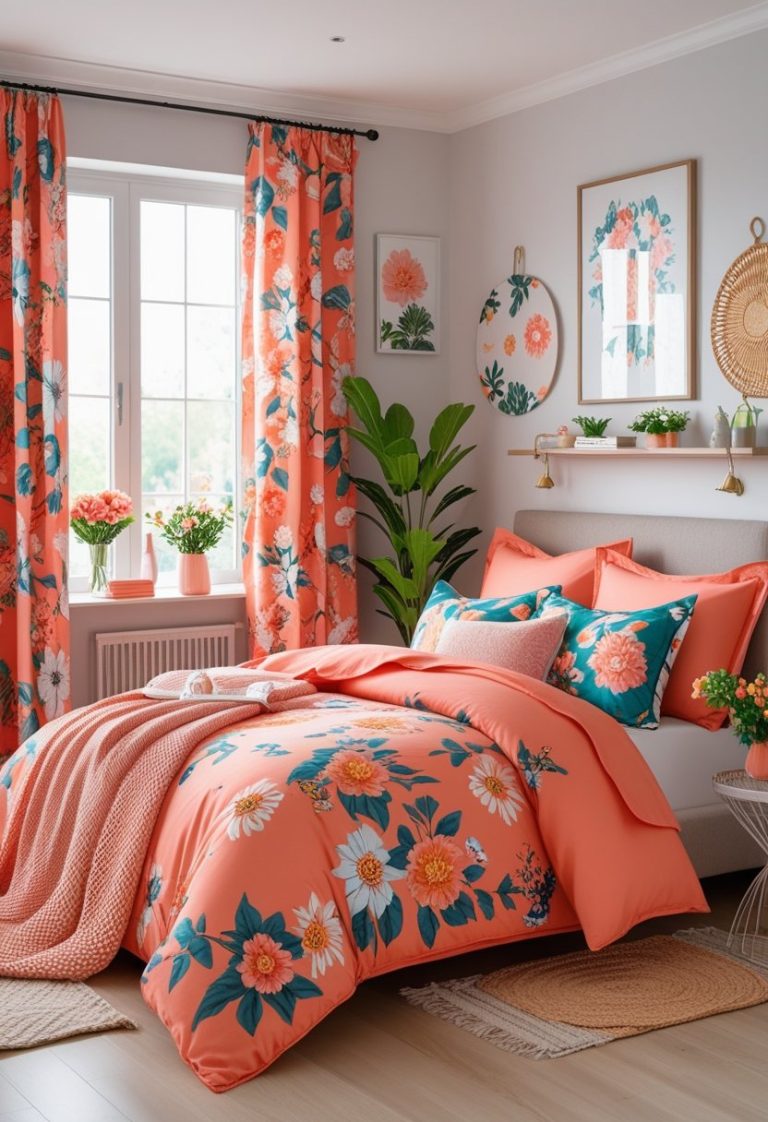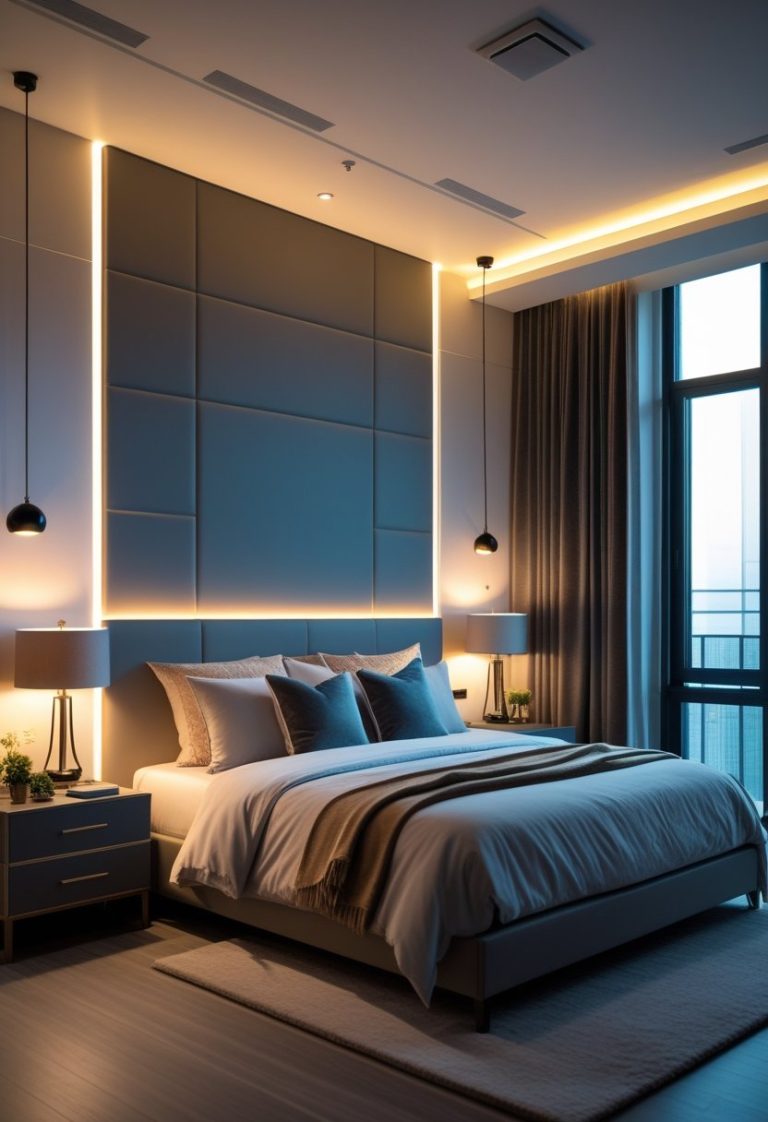
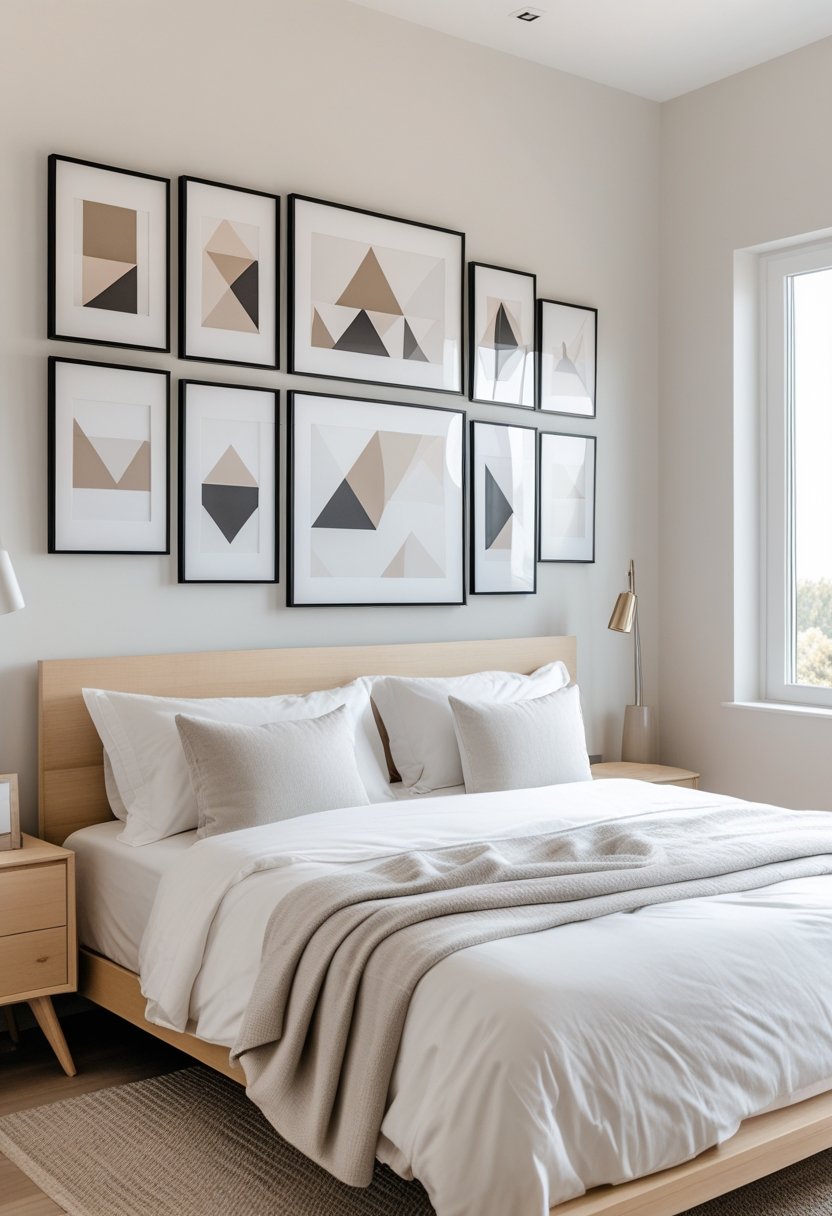
With roots in modern décor and inspiration from popular Pinterest trends, the geometric photo wall encourages creativity and personal storytelling. It works well in various bedroom sizes, offering flexible options that reflect individual tastes while enhancing the room’s ambiance.
The Modern Geometric Photo Wall Trend
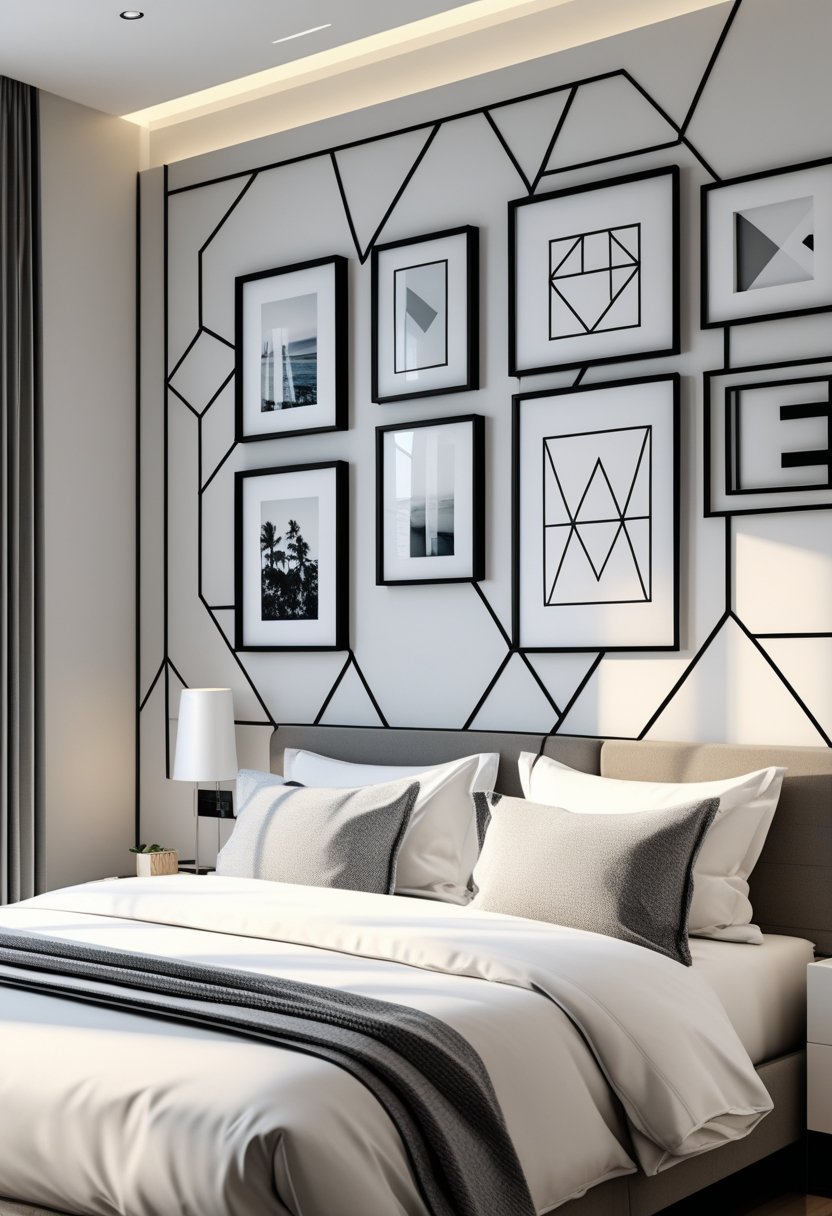
A geometric photo wall uses precise shapes and structured layouts to create a clean, organized display. It combines modern aesthetics with personal images, balancing visual interest and harmony. The design often integrates minimal frames and consistent spacing to maintain order while enhancing the overall bedroom décor.
Planning Your Bedroom Photo Wall Design
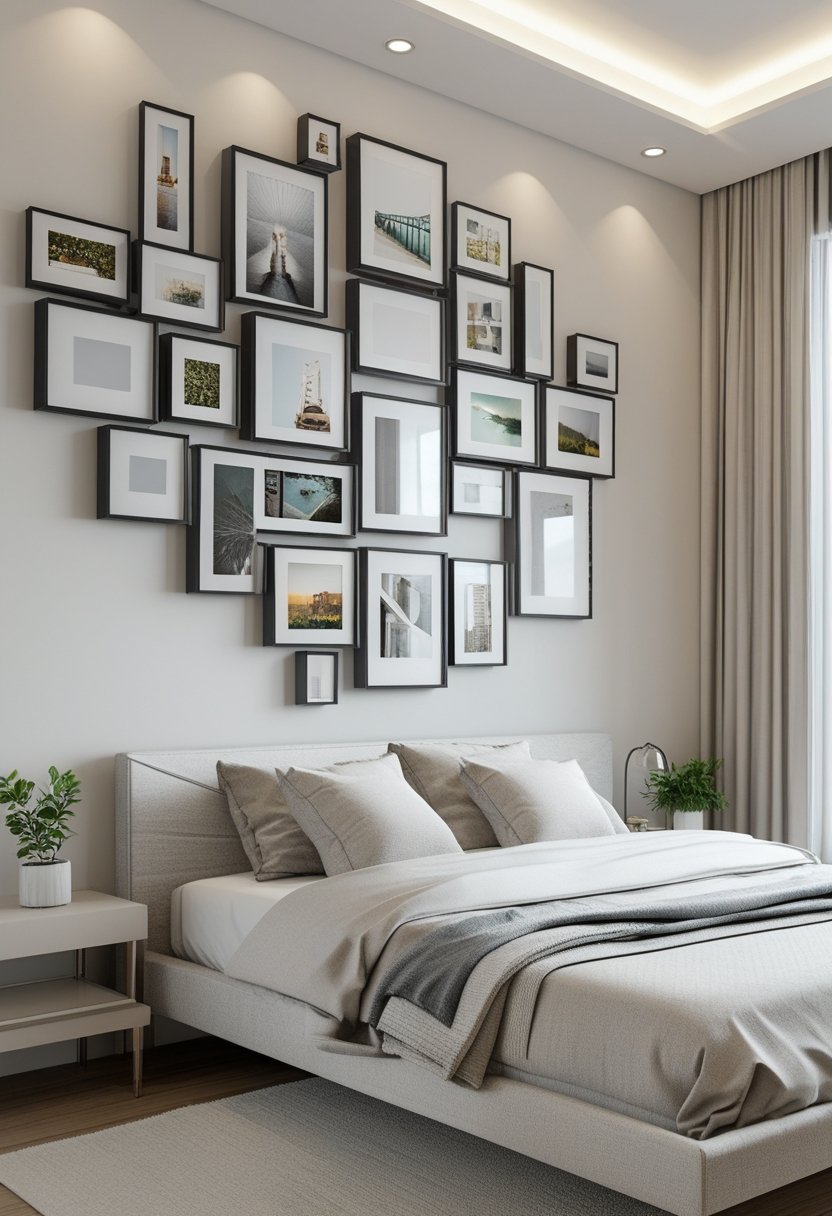
To create a stylish geometric photo wall, attention must be paid to selecting the right wall, harmonizing color palettes, and arranging photos to achieve balance in size and proportion. These factors ensure the wall becomes a focal point that adds personality and a modern touch to the bedroom space.
Choosing the Right Wall and Focal Points
Selecting the appropriate wall is crucial for maximizing impact. The wall behind the bed is often ideal because it naturally draws attention and frames the bedroom’s central zone. Alternatively, a blank wall opposite the entrance can serve as a strong visual anchor.
When establishing focal points, it’s important to highlight one or two dominant images or a grouping that commands attention. This could be a large family portrait or a romantic snapshot placed centrally or at eye level. Smaller geometric frames can then be positioned around these to support the main visuals without cluttering the design.
Creating Cohesion With Color Palettes
Color palettes unify the photo wall and contribute to the room’s atmosphere. Neutral tones like soft grays, beiges, or whites provide a minimalist backdrop that allows photos to stand out. Alternatively, choosing frames or mats in muted pastels or monochrome shades can complement modern décor.
Coordinating photo content with wall colors enhances cohesion. Black-and-white or sepia images work well for muted palettes, while vibrant photos benefit from subtle frame colors that do not compete visually. Consistency in frame style—such as all thin black metal or natural wood—also reinforces a cohesive look.
Balancing Scale and Proportion in Layouts
Proper scale ensures the photo wall feels balanced and visually pleasing. Large photos or frames should be mixed with medium and small sizes to create rhythm. Avoid clustering too many similarly sized frames, which can appear monotonous or overcrowded.
Spacing is key. Maintaining consistent gaps around 2-3 inches between frames prevents the wall from looking cluttered. Consider using a symmetrical grid for a geometric effect or an asymmetrical arrangement for a more dynamic, personalized look. Both styles must respect the room’s dimensions to avoid overwhelming the space.
Frame Selection and Material Mixing
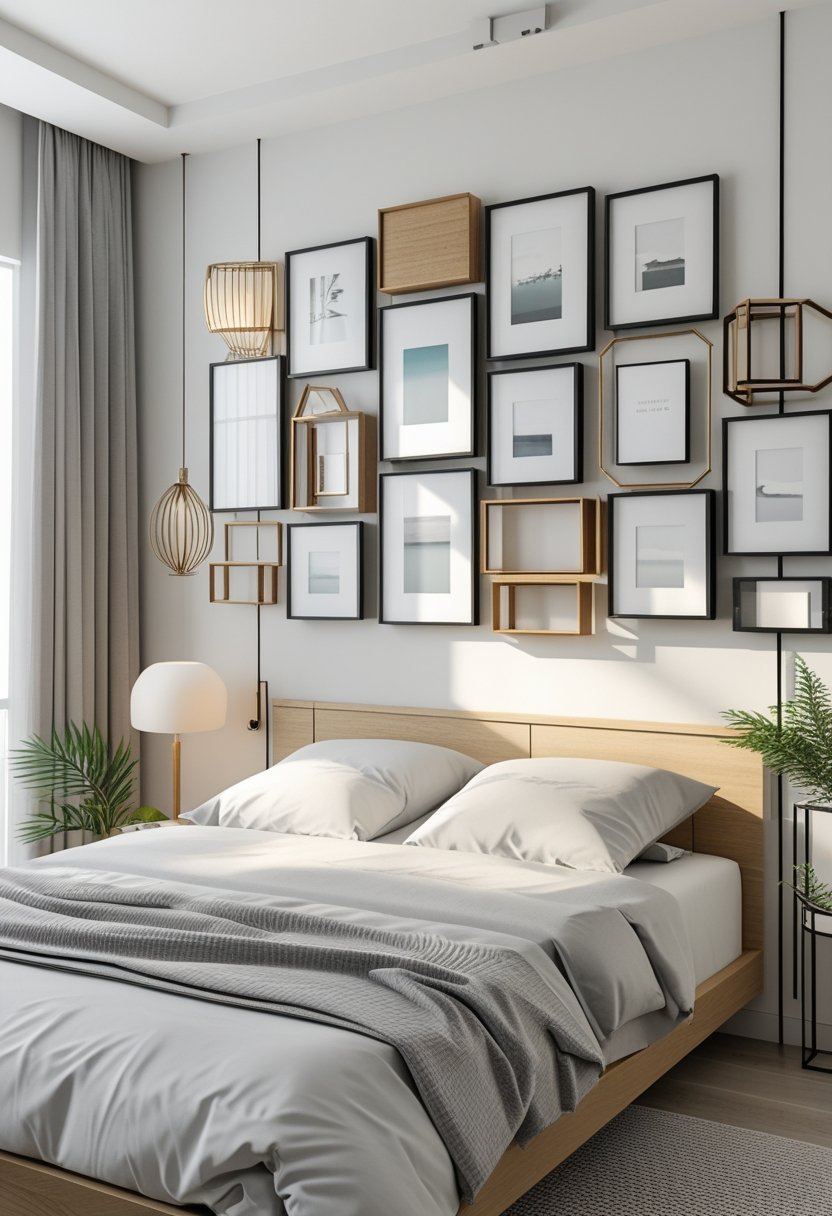
Choosing the right frames and mixing materials strategically can elevate a geometric photo wall. Combining different textures, finishes, and colors can add depth and visual interest without overwhelming the space. The key is balancing simplicity with subtle contrasts.
Minimal Frames for Sleek Visuals
Minimal frames are ideal for showcasing photos without distraction. Thin black or white metal frames work well to maintain clean lines and a modern aesthetic. They emphasize the images while complementing geometric layouts with precision.
Simple designs with narrow edges create a cohesive look that doesn’t compete with bold wall patterns or lighting effects. Matte finishes reduce glare, enhancing visibility and softness. Minimal frames also provide flexibility to mix various photo sizes smoothly.
Blending Wood and Metal Frames
Combining wood and metal frames adds texture and warmth to a geometric photo wall. Wood frames bring natural charm and softness, which balance metal’s sleek, industrial vibe. Choosing light or medium wood tones keeps the look contemporary and prevents heaviness.
Metal frames, especially in matte black or brushed finishes, add precision and structure. Using both materials together creates a dynamic contrast without clutter. It’s effective to alternate or cluster frames by material to highlight certain photos or design sections.
Incorporating Glossy Finishes and Natural Textures
Glossy finishes, such as high-shine metal or lacquered wood frames, introduce subtle reflections and brightness. They catch ambient light and can elevate the modern feel of the wall. However, glossy surfaces need careful placement to avoid excess glare that distracts from photos.
Natural textures, like raw wood grain or matte stone-like finishes, add organic depth and tactile interest. These textures complement cozy lighting and soften geometric sharpness. Using natural materials in select frames or decorative accents enriches the wall’s layered look without losing sleekness.
| Frame Type | Key Effect | Best Use |
|---|---|---|
| Minimal Metal | Sleek, subtle | Clean lines, monochrome rooms |
| Wood (Light/Medium) | Warm, natural | Balancing modern and cozy elements |
| Glossy Finish | Bright, reflective | Accent frames, focal points |
| Natural Texture | Textured, earthy | Adding contrast to geometric shapes, soft lighting |
Personalizing With Photos and Art
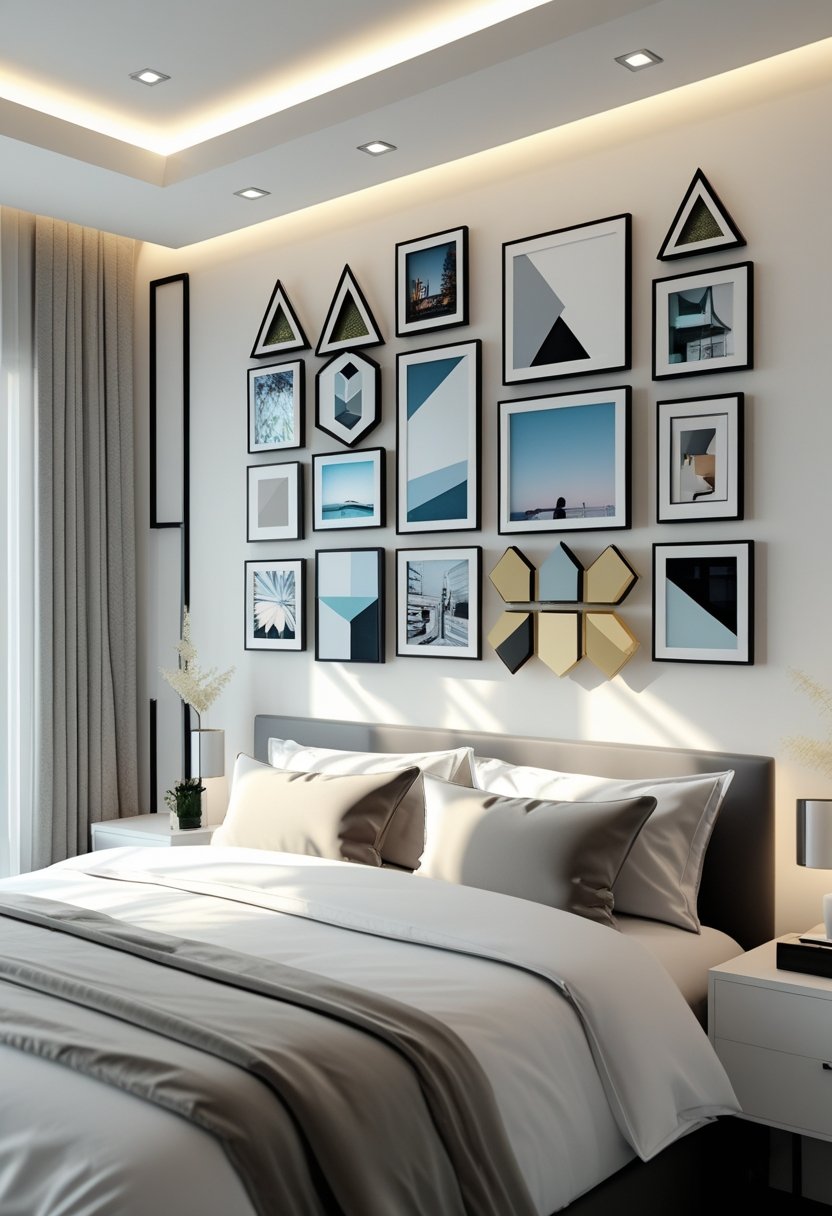
A carefully curated geometric photo wall becomes a visual story that reflects personal memories and aesthetic choices. Combining meaningful images with art prints and flexible seasonal elements can elevate the design, giving a modern bedroom both warmth and style.
Highlighting Family Photos and Romantic Portraits
Including family photos and romantic portraits immediately adds emotional depth to the wall. Selecting high-quality prints in minimal frames helps maintain a clean and modern look while keeping the focus on the memories.
Arranging photos in balanced grids or asymmetrical clusters around geometric shapes creates visual interest. It’s effective to mix candid shots with professionally taken portraits to showcase both intimacy and polish. Using consistent frame colors or finishes, such as matte black or natural wood, keeps the display unified.
Light sources, like adjustable bedside lamps or soft fairy lights, emphasize the images and create a cozy, inviting atmosphere. This setup turns a simple wall into a personalized gallery reflecting the occupant’s relationships and history.
Incorporating Art Prints and Decorative Accents
Art prints complement the photo wall by adding texture and variety, contributing to the overall modern aesthetic. Abstract or geometric art works especially well within this style, reinforcing the angular motif while offering sophistication.
Choosing pieces that use a limited color palette helps ensure the wall doesn’t feel cluttered or chaotic. Framed prints can be alternated with smaller sculptures, wall-mounted planters, or metal accents for layered texture.
Art and photo placement should consider scale and spacing to balance artwork and avoid overwhelming the room. Incorporating negative space between elements enhances a minimalist atmosphere while allowing each piece to stand out.
Customizing with Themed or Seasonal Updates
Adapting the wall decor by rotating themed or seasonal items keeps the design fresh without major changes. This can mean swapping out small prints to reflect holidays, seasons, or evolving personal interests.
For example, soft winter tones and nature prints in colder months can replace brighter pieces in summer. Temporary additions like decorative wreaths or fabric wall hangings add tactile warmth during different times of year.
Using interchangeable frames or hooks ensures the process is simple and damage-free. This approach allows the bedroom to remain current and engaging, responding to both style trends and personal milestones.
Enhancing Ambiance With Cozy Lighting
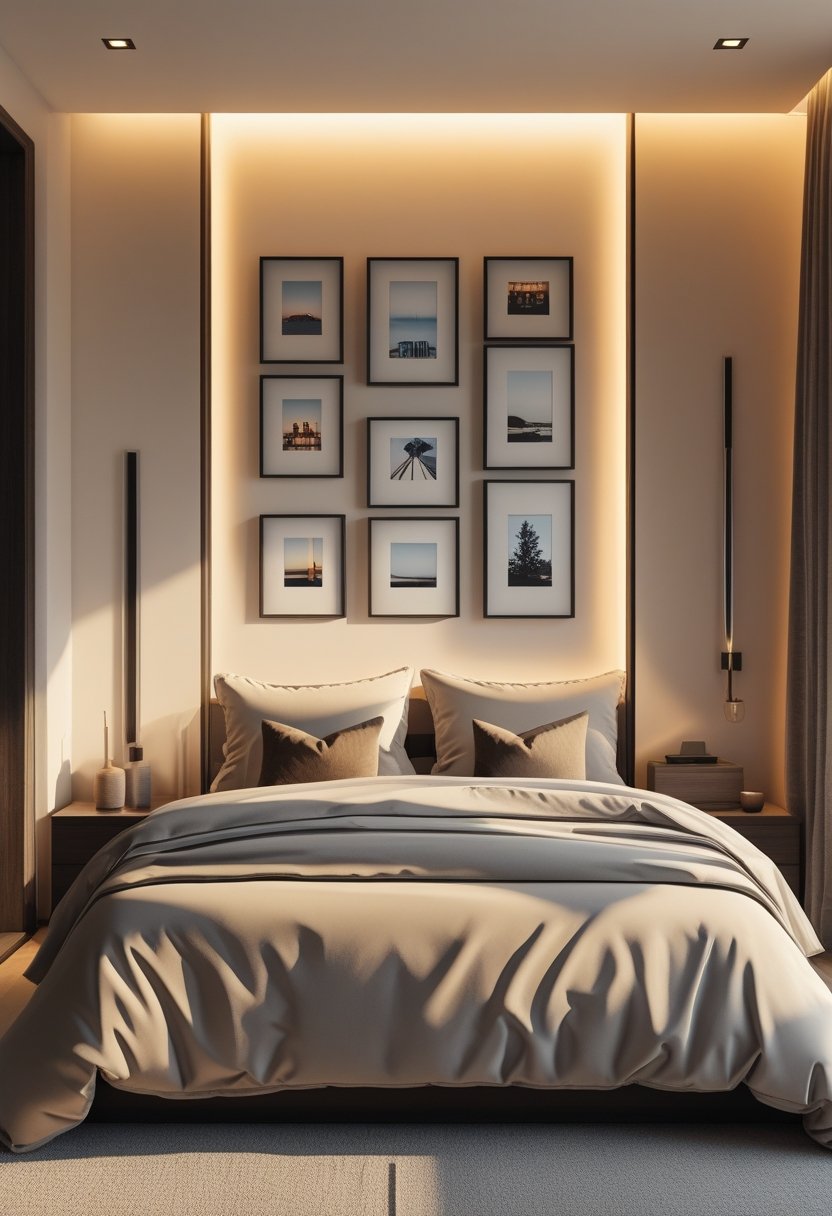
Creating a warm and inviting atmosphere around a geometric photo wall involves careful selection and placement of lighting. Soft, adjustable sources paired with layered light effects add depth to the overall bedroom design. The key lies in combining functionality with aesthetic appeal to highlight the wall’s unique features while fostering comfort.
Using String Lights and LED Accents
String lights offer a versatile, low-heat lighting option that enhances the cozy vibe without overpowering the photo wall. They work well when draped around the perimeter or woven between frames, casting a gentle, diffused glow.
LED accents provide energy-efficient brightness with customizable color temperatures. Warm white LEDs complement natural wood or metal frames, emphasizing texture and color in family photos or romantic portraits. Adjustable LED strips behind the wall or frames create an indirect backlight, adding subtle dimension without harsh shadows.
Both string lights and LED accents can be controlled by dimmers or smart home devices, allowing personalized ambiance settings for different moods and times of day.
Layering Lighting for Warmth
Layering combines different types of lights to avoid flat, one-dimensional illumination. A base layer from ceiling fixtures or recessed lights sets general brightness, while task lighting such as wall sconces or reading lamps provides focused illumination near seating areas.
Accent lighting specifically targets the photo wall, using picture lights or directional spotlights that don’t generate glare on glass frames. This layering helps balance overall brightness with intimate highlights.
Benefits of layering:
- Adds visual interest and depth
- Enables control over shadows and highlights
- Supports various activities without changing fixtures
Lighting Placement Tips for Photo Walls
Correct placement ensures the geometric photo wall is the focal point without causing eye strain or glare. Position lights at a 30-degree angle to the wall to minimize reflections on glass surfaces.
For string lights, balance them evenly around the display to avoid bright spots. LED strips positioned behind frames provide a halo effect, which frames photos softly.
Consider light height and scale: overhead puck lights or adjustable wall sconces work well for larger walls, while smaller photos benefit from compact picture lights. Test lighting with the room’s natural light to maintain warmth during day and night.
Styling Tips for a Designer Bedroom Look
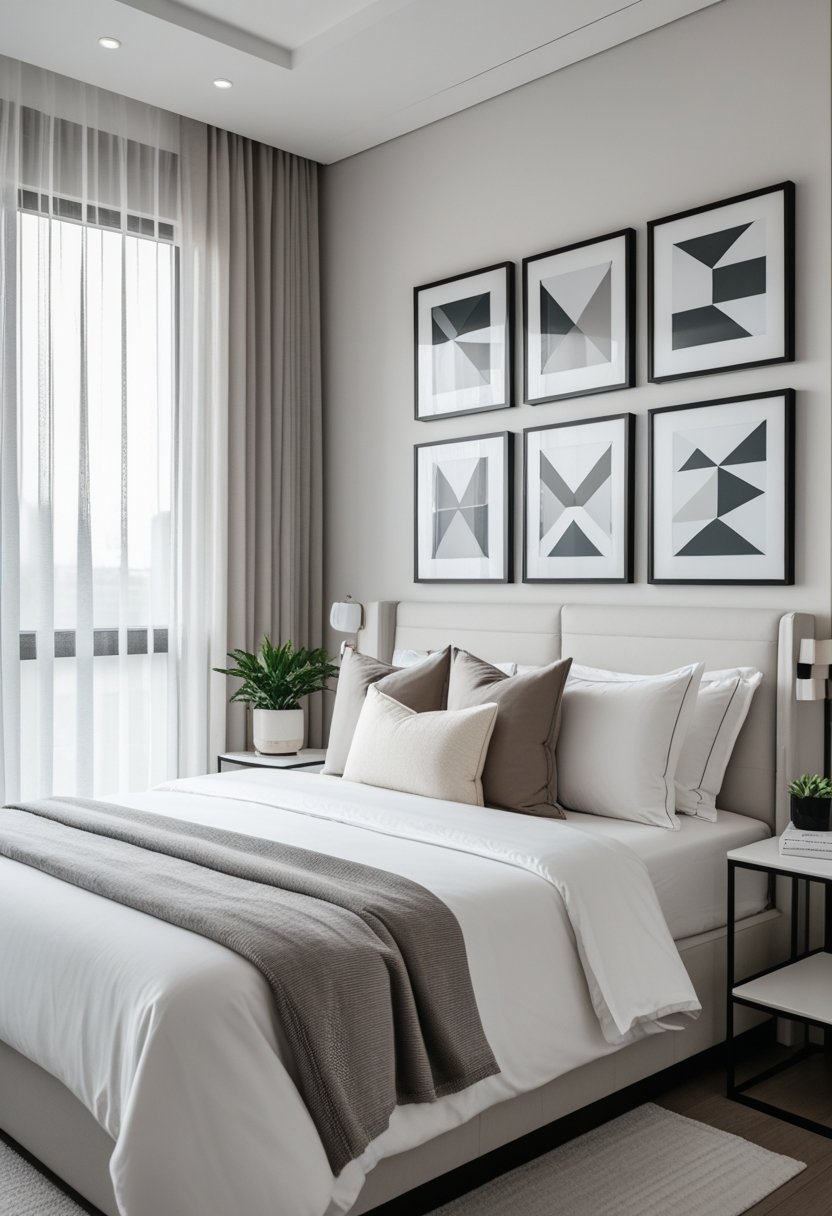
Achieving a refined bedroom design involves thoughtful layering of colors, materials, and accents. The right choices can enhance both warmth and modern appeal while maintaining balance and sophistication.
Blending Earthy Tones and Stone Elements
Using earthy tones such as warm browns, muted greens, and soft beige provides a grounded and inviting backdrop. These colors complement stone features like exposed brick, slate tiles, or marble accents. Incorporating stone elements in surfaces such as bedside tables, lamps, or a feature wall adds texture and natural elegance.
This combination enhances a calming atmosphere that contrasts well with geometric photo wall designs. The natural color palette balances the sharp lines of frames, allowing the bedroom to feel cohesive without losing visual interest. Earthy tones also work well with soft, warm lighting to create a relaxed mood throughout the space.
Mixing Textures for Depth and Interest
Layering different textures introduces complexity and tactile appeal to any bedroom. Soft textiles like woven throws, linen curtains, or velvet cushions contrast effectively with the hard surfaces of stone and minimalistic frames.
Using materials such as jute rugs, leather accents, or rough-hewn wood furniture adds dimension and prevents the space from feeling sterile. Textural variety also draws the eye through the room, providing subtle focal points that complement the photo gallery. This approach maintains a modern look while adding comfort and personality.
Final Touches for a Cohesive Space
To unify the design, focus on consistent frame colors and coordinated lighting. Black, white, or natural wood frames keep the geometric photo wall visually organized. Strategically placed warm LED lights or soft pendant lamps enhance both artwork and overall ambiance.
Incorporating small decorative pieces—like stone planters, ceramic vases, or woven baskets—helps tie the earthy and modern elements together. Decluttering surfaces and maintaining open space reinforces the clean, designer aesthetic. These finishing touches ensure the bedroom feels intentional, balanced, and inviting.

Ana Luisa
Explore in-depth biographies, net worth insights, and exclusive updates on your favorite singers at Trionua.com. Discover the journeys, achievements, and latest news about music’s biggest stars.