Aesthetic Minimalist Kitchen with Clean White Cabinetry
Modern kitchens in 2026 prioritize simplicity and natural beauty, blending white cabinetry with warm wood textures to create inviting yet functional spaces. Open shelving and hidden lighting add depth and illumination without disrupting the clean lines, enhancing both aesthetics and practicality.

The emphasis on minimalist styling combined with natural materials makes these kitchens ideal for homeowners seeking a balance between contemporary design and timeless warmth. This approach supports versatile layouts that fit various home sizes while maintaining a fresh, uncluttered look.
Subtle details like soft cream tones, matte finishes, and integrated technology support a seamless cooking and living experience. These trends cater to those looking for modern inspiration that feels both stylish and durable.
Key 2026 Kitchen Design Trends

The 2026 kitchen landscape emphasizes a balance of warmth and simplicity through strategic material choices and thoughtful layouts. Designers focus on integrating tactile natural elements with sleek finishes to create functional, inviting spaces. Light and space are carefully maximized to promote openness without sacrificing style.
Blending White Cabinetry With Warm Wood Textures
White cabinetry remains a staple in modern kitchens for its clean, timeless appeal. In 2026, it is paired intentionally with warm wood textures, such as oak or walnut, to add depth and natural character. This combination softens the starkness of all-white kitchens, making the space feel more grounded and approachable.
Many designs showcase white cabinets alongside wood islands or open shelving, creating focal points with contrasting textures. The warmth of wood tones complements the crispness of white surfaces, while matte and satin cabinet finishes enhance the tactile experience. This fusion supports both classic and contemporary kitchen styles, appealing to a broad range of tastes.
Minimalism and Clean Lines Reimagined
Minimalist kitchens in 2026 move beyond starkness to embrace subtle details and practicality. Clean lines are maintained but softened with thoughtful proportions and integrated hardware. Cabinet fronts are often flat-panel or handleless, contributing to a streamlined look that emphasizes form and function.
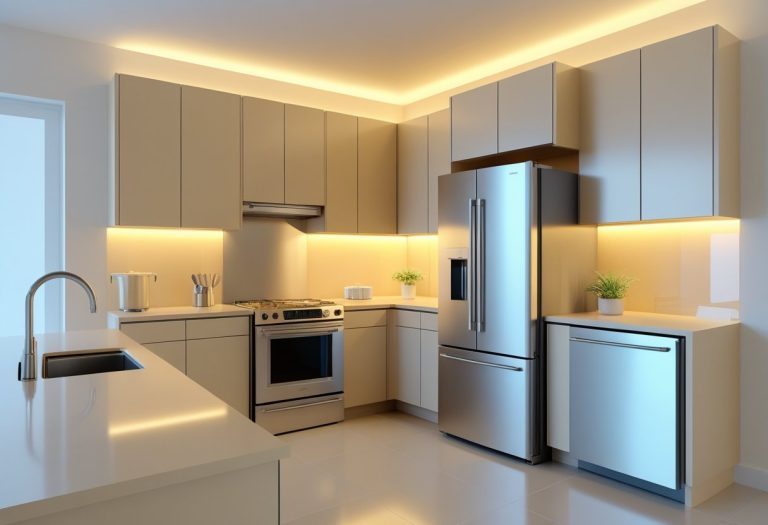
Designers prioritize hidden lighting solutions such as under-cabinet LED strips and recessed fixtures to maintain the minimalist aesthetic while improving task visibility. Surfaces are kept clutter-free, and built-in storage solutions maximize usability. This approach results in kitchens that feel spacious, orderly, and tailored to everyday needs without excess.
Open Shelving and Visual Lightness
Open shelving remains popular as it introduces a sense of airiness and accessibility. In 2026, shelves are designed with simplicity and durability, often made from natural wood that matches or complements cabinetry. This style encourages personalization through carefully curated displays of dishware and cookware.
By replacing upper cabinets with open shelves, kitchens gain a lighter visual profile and enhance natural light flow. Open shelving is typically paired with hidden or accent lighting, highlighting textures and objects subtly. This trend supports an open, inviting atmosphere while maintaining functional storage space.
White Cabinetry: Styles and Modern Impact

White cabinetry remains a staple in kitchen remodels due to its clean, versatile appeal and ability to brighten spaces. It balances well with natural wood accents and supports functional layouts. Modern designs emphasize finish choices, tailored storage, and thoughtful color contrasts to elevate white cabinets beyond basic utility.
Glossy Versus Matte Finishes for Cabinets
Glossy white cabinets offer a sleek, reflective surface that enhances light and creates a polished, contemporary look. They tend to highlight clean lines and coordinate well with modern hardware like gold or black pulls. However, fingerprints and smudges can be more visible on glossy finishes, requiring frequent cleaning.
Matte white cabinets deliver a softer, more understated appearance. They mask imperfections and fingerprints better, ideal for high-traffic kitchens or those seeking a more organic or rustic vibe. Matte finishes pair well with natural textures and wood islands, balancing modern minimalism with warmth.
Choosing between glossy and matte depends largely on lifestyle and desired ambiance. Glossy fits minimalist, bright spaces; matte suits cozy, tactile environments.
Custom Storage Solutions and Pantries
White cabinetry lends itself well to custom storage designs, which optimize space and streamline organization. Customized pantries, integrated shelving, and pull-out drawers enhance kitchen efficiency while maintaining cohesive aesthetics.
Built-in pantries with white doors blend seamlessly into the kitchen, concealing clutter. Options like adjustable shelves and internal lighting increase usability. Custom cabinetry can also accommodate appliances and bulk storage, supporting an uncluttered, functional workspace.
This tailored approach is crucial for modern kitchens, where clean lines meet smart functionality. It transforms standard white cabinetry into a system designed for ease and longevity.
Contrasting White With Soft Neutrals
Pairing white cabinets with soft neutrals like warm greys, beige, or muted sage adds depth without overwhelming the space. These hues complement white’s brightness and introduce subtle variations in tone.
For example, walls painted in pale taupe or greige create a gentle backdrop, allowing white cabinetry to stand out while maintaining harmony. Wood accents, such as butcher block or oak islands, further soften the palette and provide natural warmth.
This contrast strategy keeps the kitchen feeling open and airy but avoids starkness. It supports modern styling with an inviting, balanced color scheme that suits a wide range of tastes.
Natural Wood Tones and Texture Enhancements

Natural wood tones add dimension and depth to kitchen spaces, balancing modern minimalism with organic warmth. Variations in wood grain, finishes, and subtle imperfections bring tactile interest that contrasts and complements white cabinetry and clean lines.
White Oak as a Focal Material
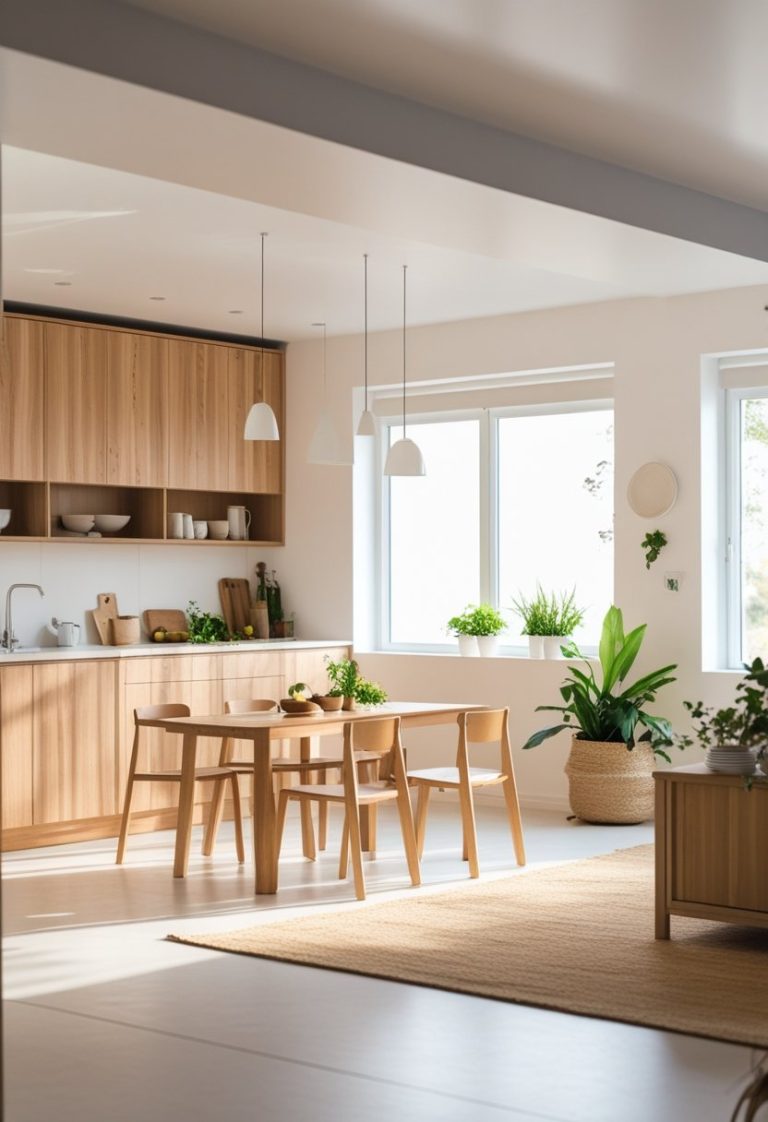
White oak is increasingly favored in kitchen design for its versatile, neutral tone and sturdy grain. Its light, warm color works well as a primary cabinet or island material, providing a natural foundation that enhances both rustic and modern farmhouse kitchens.
It pairs smoothly with white cabinetry, creating a subtle interplay between soft, painted surfaces and textured wood. White oak’s durability makes it suited for high-traffic kitchen areas, while its fine grain highlights natural variations without overpowering other design elements.
Mixed Wood Finishes and Accents
Combining different wood finishes adds complexity and interest without cluttering the visual field. Designers often layer natural wood tones by mixing white oak with darker woods like walnut or stained maple for island panels, open shelving, or trim.
This approach highlights contrast and draws the eye to specific architectural features or storage areas. Accents such as floating shelves or beam details in mixed woods break up all-white cabinetry, infusing warmth and character into contemporary layouts.
Organic Imperfections for Warmth
Embracing the natural imperfections of wood—knots, mineral streaks, and uneven grain—adds authenticity and tactile appeal to kitchen surfaces. These subtle details counterbalance the sleek, minimalist look dominant in 2026 trends.
Such textures make the kitchen feel inviting rather than sterile. Incorporating raw or lightly finished wood elements allows the material’s story to show through, reinforcing a connection to nature within farmhouse and modern kitchen spaces alike.
Open Shelving and Space Optimization

Open shelving in kitchens blends function with style, offering accessible storage and creating a sense of openness. Efficient use of shelf placement and integration with cabinets enhances space without sacrificing aesthetics or practicality.
Single Shelf Minimalism
A single open shelf can make a powerful design statement while keeping the kitchen uncluttered. It offers a focused display area suitable for frequently used items like bowls, cups, or spices.
This approach reduces visual bulk, especially in small kitchens where every inch counts. The clean lines of a solitary shelf emphasize simplicity and allow natural wood textures or white cabinetry to stand out.
Durability and weight capacity must be considered when selecting materials and installation methods. Metal brackets or hidden supports can maintain a sleek look while ensuring stability.
Display Techniques for Functional Decor
Functional decor on open shelves balances utility and appearance. Items should be organized for easy reach but arranged to avoid chaos. Grouping matching sets, using clear glass containers, and stacking plates neatly help maintain order.
Incorporating natural textures like wood or ceramic objects adds warmth without clutter. Consider alternating functional items with decorative pieces to keep shelves visually appealing.
Layers of lighting, such as hidden LED strips beneath shelves, improve visibility and highlight the contents without drawing attention to the fixtures.
Integrating Open Storage With Cabinetry
Combining open shelving with closed cabinetry creates a versatile storage system. Custom pantries often use this hybrid approach to optimize space and hide less attractive items.
Open shelves can replace upper cabinets in select areas to increase airiness, while lower cabinets house bulky equipment and pantry supplies. This maintains a minimalist aesthetic but provides ample storage.
Seamless design is crucial: matching materials, colors, and finishes tie shelves and cabinets together, supporting the clean, cohesive look typical of modern kitchen cabinet trends in 2026. Hidden compartments and pull-out drawers inside cabinetry improve organization further without disrupting the visual flow.
Hidden Lighting and Seamless Illumination

Effective use of hidden lighting elevates kitchen design by enhancing functionality and atmosphere without detracting from clean minimalist aesthetics. It integrates with white cabinetry and natural wood textures to highlight key areas while maintaining an uncluttered look.
Under-Cabinet LEDs
Under-cabinet LED lighting provides focused task illumination directly on countertops, essential for food preparation and cooking. It reduces shadows caused by overhead fixtures and creates a clean, bright workspace.
These LEDs are discreetly installed beneath upper or floating shelves, blending with white cabinets and complementing natural wood finishes. They often feature adjustable brightness and color temperature controls, allowing customization for different tasks or times of day. Installation typically involves slim profiles and concealed wiring to preserve the minimalist kitchen style.
Toe Kick and Shelf Lighting
Toe kick lighting illuminates the recessed base of lower cabinets, offering subtle directional light that improves nighttime visibility and adds a floating effect to cabinetry. This lighting enhances the perception of space, especially in kitchens with white cabinets where the glow softly contrasts with the lighter surfaces.
Shelf lighting, integrated within open shelving, highlights dishware or decor, bringing texture and depth to natural wood elements. It enhances display without overwhelming the kitchen’s simplicity, using warm or neutral tones for balance.
Layered Lighting for Ambiance
Layered lighting combines hidden fixtures with overhead and accent lights to shape the kitchen’s mood and functional zones. Strategic placement of indirect light sources creates depth and dimension, reducing the starkness of all-white cabinetry.
This approach highlights architectural features and integrates with natural materials to foster warmth. Dimmers and smart controls allow for dynamic adjustments, transitioning the kitchen from bright task lighting during cooking to soft, inviting illumination for gatherings.
Minimalist Styling for Modern Homes

Minimalist kitchen designs emphasize simplicity and functionality without sacrificing style. Key elements include streamlined layouts, unobtrusive fixtures, and a restrained palette that enhances light and space. These choices create an environment that feels open, organized, and easy to maintain.
Clutter-Free Layouts
Clutter-free layouts prioritize open counter space and smart storage solutions to keep surfaces clear. Integrating built-in storage, drawer organizers, and pantry systems helps conceal kitchen tools and appliances, supporting a clean visual flow.
Open shelving is used sparingly and only for essential or decorative items, avoiding overcrowding. This arrangement highlights key pieces like natural wood accents or minimalist ceramics while maintaining accessibility.
Efficient kitchen remodels often incorporate islands with hidden storage or recessed handles to reduce visual noise. The goal is practical functionality paired with a sense of calm and order.
Handleless Cabinet Designs
Handleless cabinetry is a defining feature in minimalist kitchens. Cabinets with push-to-open mechanisms or integrated grooves maintain smooth surfaces, eliminating protruding hardware.
This design enhances the sleek look of cabinetry and creates uninterrupted lines, contributing to a roomier feel. Handleless systems also reduce cleaning points, important for maintaining a spotless, polished kitchen.
They work well with white cabinetry and natural wood finishes, allowing textures and materials to stand out without distraction. For a kitchen remodel focused on simplicity, handleless cabinets offer a contemporary edge and easy usability.
Neutral Color Palettes
Neutral colors form the foundation of minimalist kitchen aesthetics. Whites, soft grays, and natural wood tones dominate the palette, fostering brightness and tranquility.
These colors support a flexible design that adapts to various décor elements or accents, such as hidden lighting or backsplash choices. They also reflect light effectively, enhancing the feeling of openness in modern kitchens.
Pairing white cabinetry with subtle natural textures creates a warm yet clean atmosphere. This balance between starkness and organic tones ensures the kitchen is inviting while retaining minimalist integrity.
Elevating 2026 Kitchens With Trending Finishes

Finishes in 2026 kitchens blend natural elements with refined details to create balanced, inviting spaces. Key trends include surfaces with subtle texture, hardware that mixes metals for visual interest, and a seamless combination of farmhouse charm with modern simplicity.
Marble Backsplashes and Stone Surfaces
Marble backsplashes are a standout finish in 2026 kitchens, valued for their timeless elegance and unique veining. They offer a smooth, polished look that complements both white cabinetry and natural wood tones.
Beyond backsplashes, stone countertops with matte or honed finishes are increasingly popular. These surfaces provide durability while maintaining a low sheen that reduces glare and enhances warmth. Homeowners often select subtle marble or quartz patterns that add visual depth without overwhelming minimalist designs.
Marble and stone finishes work well as focal points but also pair effectively with open shelving and clean lines, reinforcing the balance between luxury and practicality.
Mixed Metal Hardware
In 2026, hardware on cabinets and drawers moves beyond matching finishes. Designers pair metals like brushed gold, matte black, and aged brass to add subtle contrast and texture. This layered approach avoids uniformity and allows details to stand out against white or natural wood cabinetry.
Mixed metal hardware can be arranged with intention—knobs in one finish, pulls in another—to create a cohesive but dynamic look. This practice supports the trend toward personalization and individuality in kitchen design.
The use of mixed metals also complements wood accents and stone surfaces, enhancing the overall warmth and complexity without cluttering the aesthetic.
Farmhouse and Modern Fusion
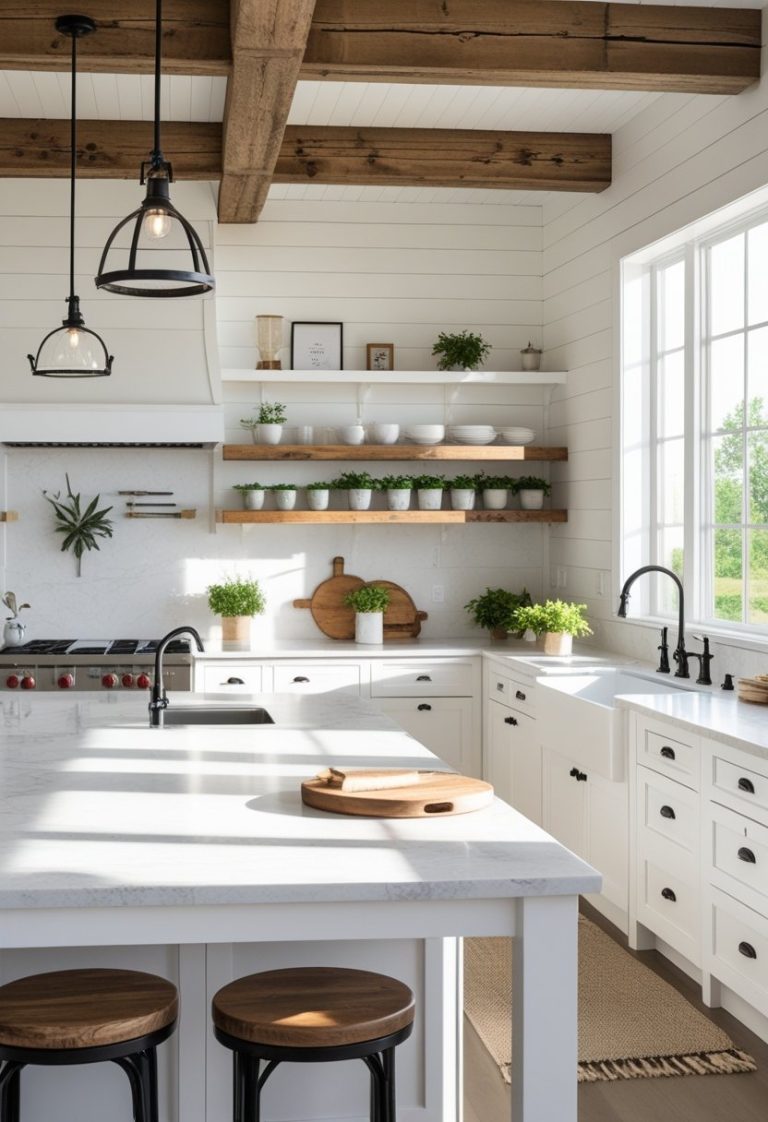
Farmhouse kitchens remain relevant by incorporating rustic elements such as wood beams or apron-front sinks, but with a streamlined, modern approach. In 2026, this fusion emphasizes clean minimalist styling coupled with warm, natural textures.
Key features include simple, shaker-style cabinetry painted white or soft neutrals, combined with warm wood counters or shelving. Statement islands often resemble fine furniture, blending function with subtle decorative details like turned legs or inset drawers.
This style pairs well with open shelving that combines wood and metal for a lived-in yet elegant feel. The fusion creates kitchens that feel both cozy and polished, suitable for everyday living without sacrificing sophistication.

Ana Luisa
Explore in-depth biographies, net worth insights, and exclusive updates on your favorite singers at Trionua.com. Discover the journeys, achievements, and latest news about music’s biggest stars.