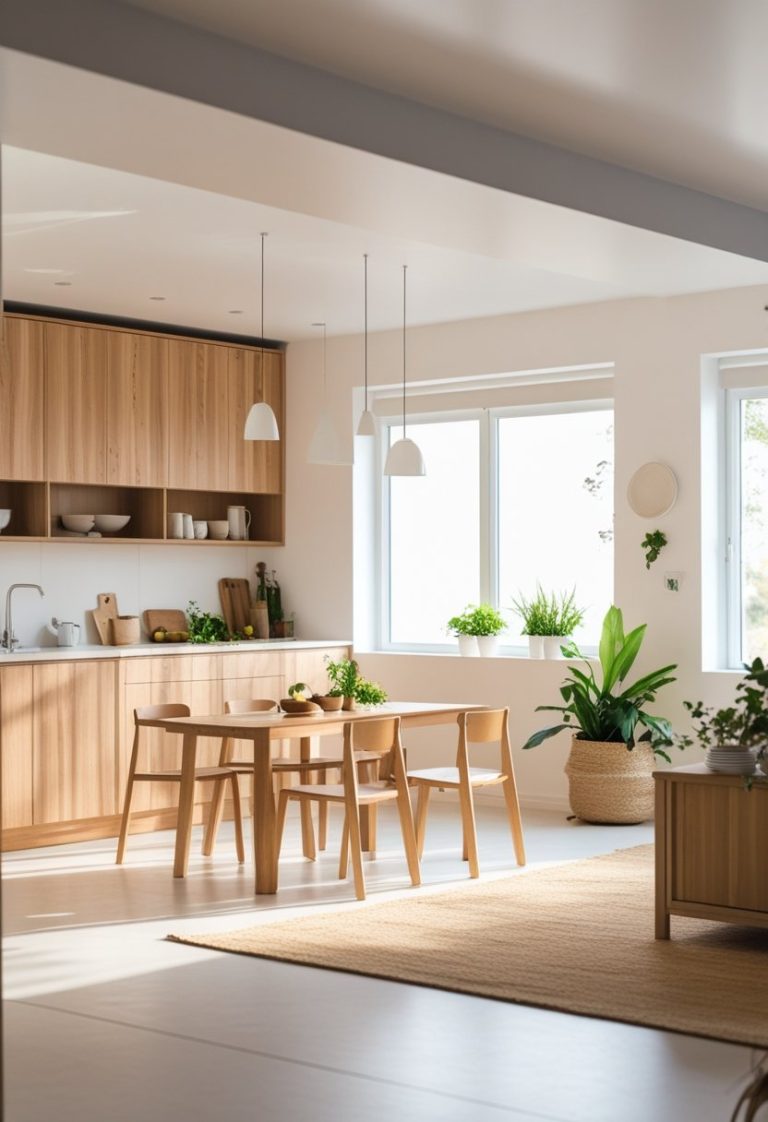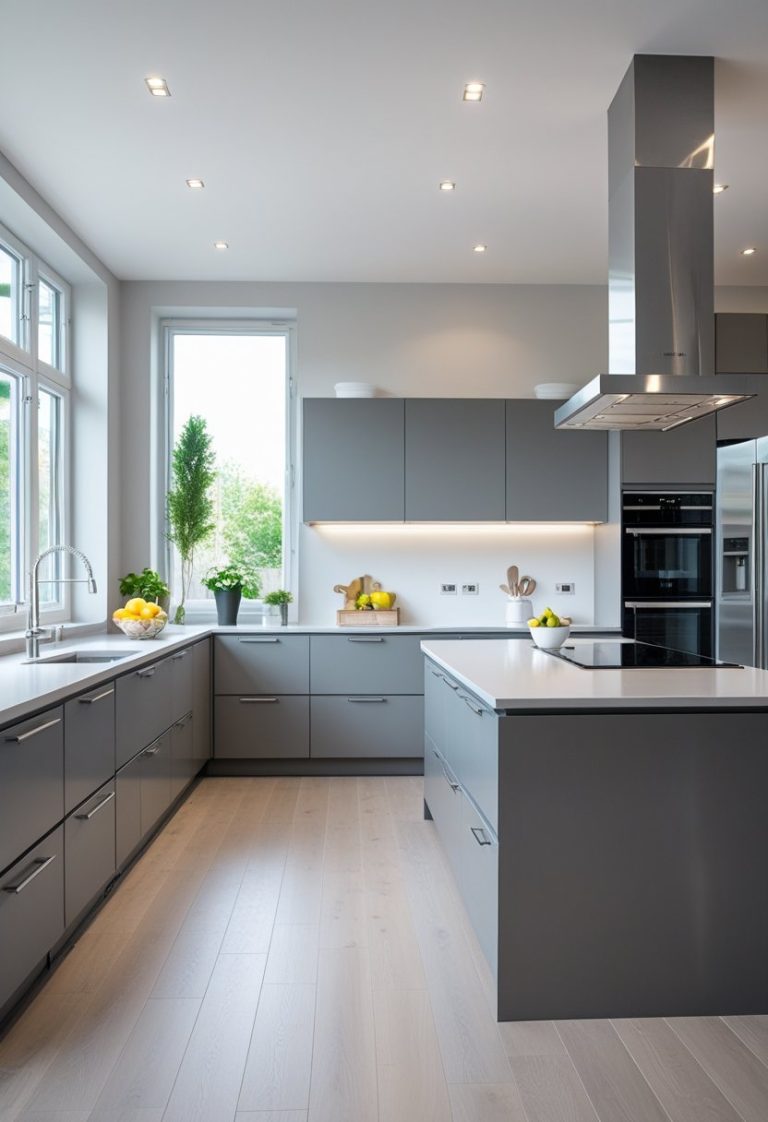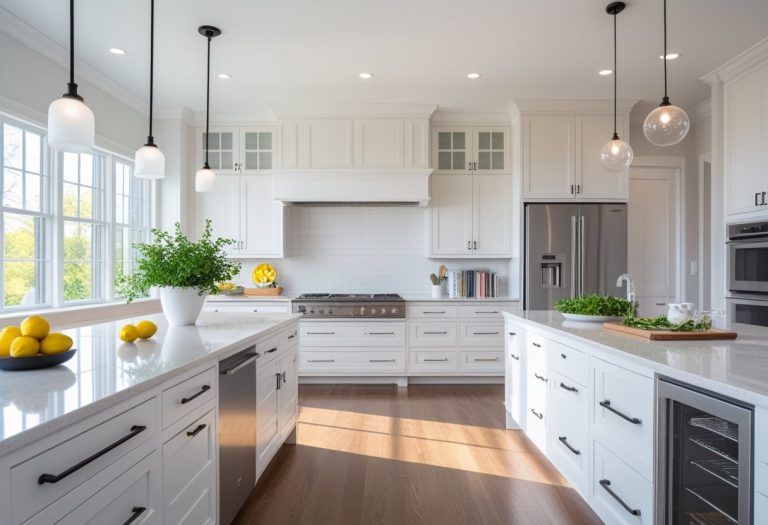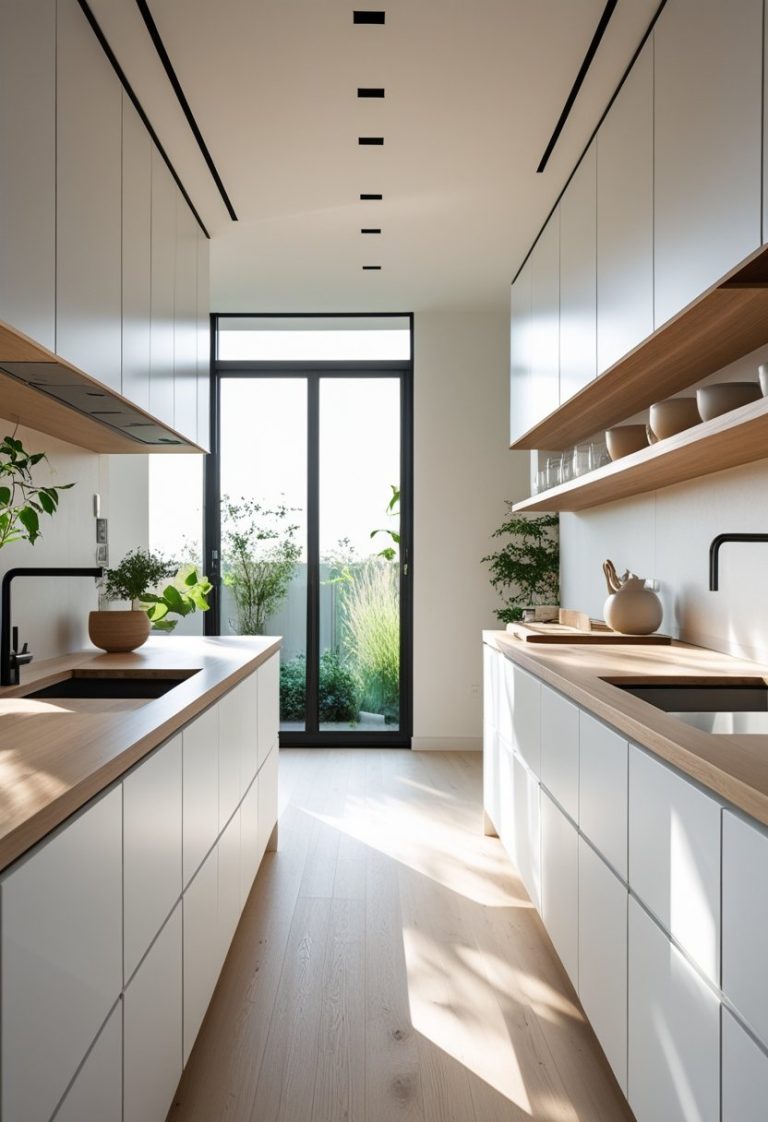
Minimalist Beige Kitchen with Marble Island & Warm Lighting
Minimalist beige Kitchen with Marble Island & Warm Lighting cabinetry paired with sleek stainless steel appliances creates a balanced kitchen design that is both timeless and functional. The neutral tone of beige cabinets serves as a versatile foundation, allowing other elements like a spacious marble island to stand out while maintaining a calm, cohesive look.
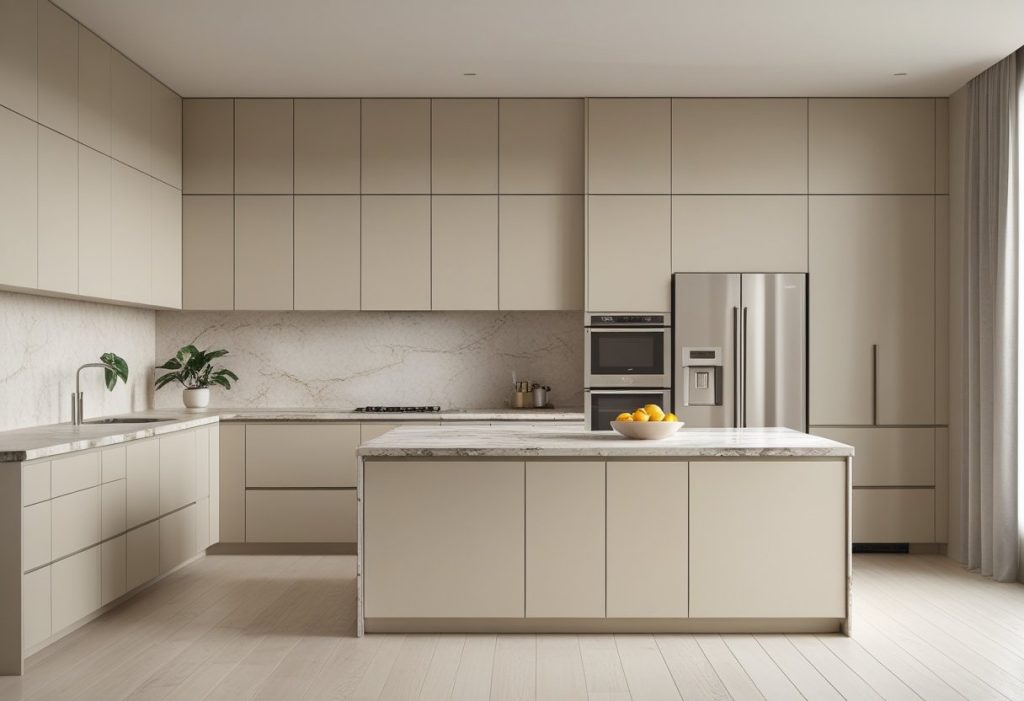
Warm under-cabinet lighting combined with natural wood accents adds an inviting ambiance, enhancing both the kitchen’s warmth and practicality. This thoughtful combination reflects current trends that prioritize clean lines, subtle elegance, and usability in kitchen spaces. The integration of these elements results in a kitchen that is modern yet welcoming, ideal for everyday use and entertaining.
Minimalist Beige Kitchen with Marble Island & Warm Lighting
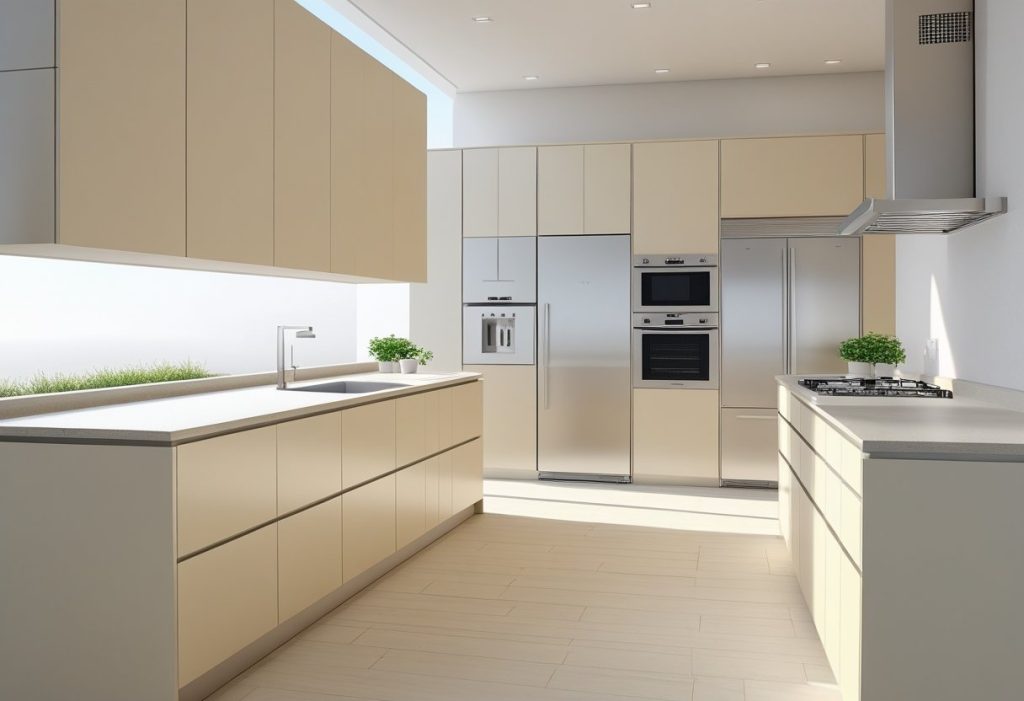
Minimalist beige cabinetry balances simplicity with warmth, supporting clean lines and uncluttered spaces. Its effectiveness depends heavily on the precise tone, finish, and hardware, which together shape the kitchen’s character—whether sleek, cozy, or refined.
Choosing the Right Shade of Beige
Selecting the correct shade of beige is crucial for achieving a minimalist yet inviting kitchen. Lighter beiges with creamy or soft gray undertones help create a spacious and airy feel, ideal for smaller kitchens or those seeking bright, natural light reflection. Conversely, warmer beige shades introduce subtle depth without overpowering the simplicity of a minimalist design.
It’s important to consider natural and artificial lighting, as beige tones can shift in appearance throughout the day. Testing samples in different lighting conditions ensures the chosen shade complements other materials like marble or wood accents effectively.
Surface Finishes and Textures
The finish on beige cabinetry significantly impacts the kitchen’s overall vibe. Matte finishes are favored for minimalist kitchens as they minimize reflections and emphasize simplicity, creating a seamless, clutter-free look. A satin finish offers a slight sheen for a balanced mix of softness and subtle luxury.
Texture should stay understated. Smooth surfaces without intricate detailing maintain clean visual lines. Incorporating soft textures through surrounding elements like natural wood or marble counters adds dimension without detracting from the minimalist cabinetry.
Cabinet Hardware for a Streamlined Look
Hardware choices affect how sleek minimalist cabinetry appears. Handleless cabinets or those with integrated pulls provide the cleanest look, reducing visual clutter. When hardware is necessary, minimalistic designs such as long horizontal pulls in matte black or brushed nickel offer both function and style.
Choosing hardware with simple geometric shapes and a thin profile enhances the cabinetry’s minimalist appeal. Consistency across all handles maintains coherence, while discreet installation methods keep the focus on the cabinetry’s smooth surfaces.
Sleek Stainless Steel Appliances for a Contemporary Touch
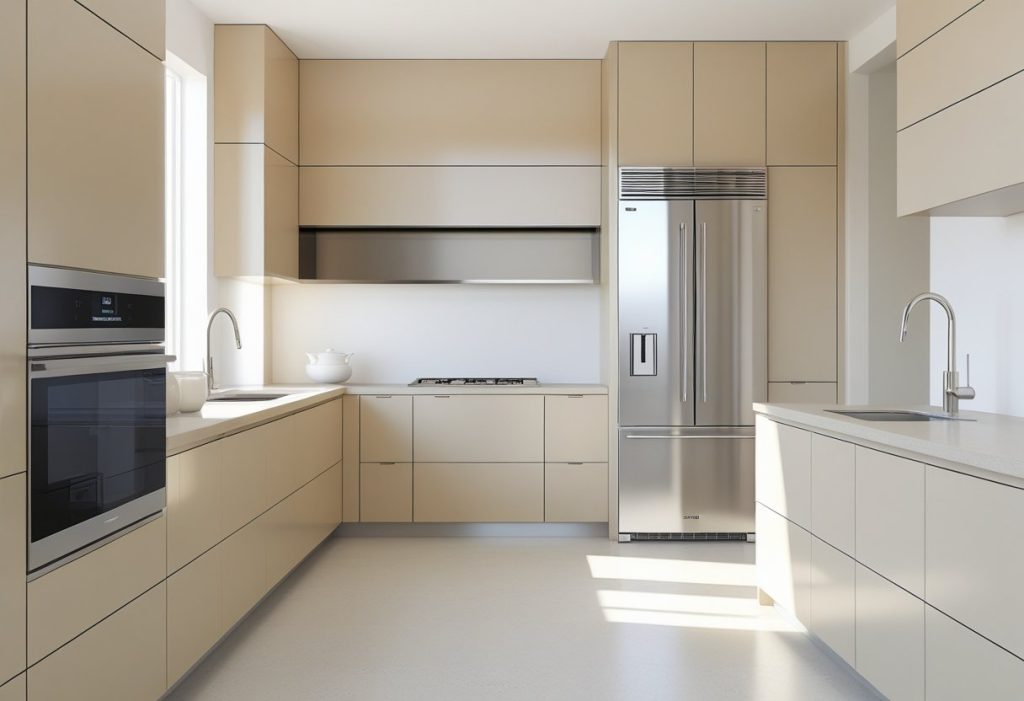
Stainless steel appliances add a refined, modern element to minimalist beige cabinetry and marble islands. Their reflective surfaces complement warm under-cabinet lighting and natural wood accents, enhancing both aesthetics and usability. Choosing the right styles and ensuring energy efficiency further elevates the kitchen’s functionality and appeal.
Integrating Appliances with Cabinetry
Incorporating stainless steel appliances with beige cabinetry requires attention to balance and uniformity. Appliances should align cleanly with cabinet edges to maintain sleek lines and avoid visual clutter. Panel-ready options or built-in models can create a seamless transition, allowing the appliances to blend without interrupting the minimalist flow.
The reflective quality of stainless steel contrasts well with matte beige finishes, offering a subtle focal point without overwhelming the space. Positioning appliances strategically—such as placing the refrigerator and oven in symmetrical spots—strengthens the kitchen’s visual harmony.
Selecting Modern Appliance Styles
Modern stainless steel appliances come in a variety of styles that suit different kitchen designs, from minimalist to industrial. Key features to consider include flat or slightly contoured fronts, minimalistic handles, and touch controls. These elements maintain clean surfaces and complement minimalist cabinetry.
Professional-grade appliances with bold designs can add statement pieces but should be limited to avoid disrupting the understated aesthetic. Consistency across appliances, such as matching finishes and handles, helps unify the design. Prioritizing appliances with simple geometric shapes supports the contemporary minimal look.
Energy Efficiency in Stainless Steel Appliances
Energy efficiency is crucial when selecting stainless steel appliances for a modern kitchen. Models with ENERGY STAR ratings use less electricity and water, reducing utility costs and environmental impact. Advanced features such as adaptive compressors, LED lighting, and smart sensors optimize performance while conserving energy.
Choosing appliances built with durable stainless steel surfaces ensures longevity and fewer repairs, contributing to sustainable kitchen design. Energy-efficient appliances not only complement the kitchen’s sleek appearance but also support practical, cost-effective operation over time.
Spacious Marble Island as the Kitchen’s Centerpiece
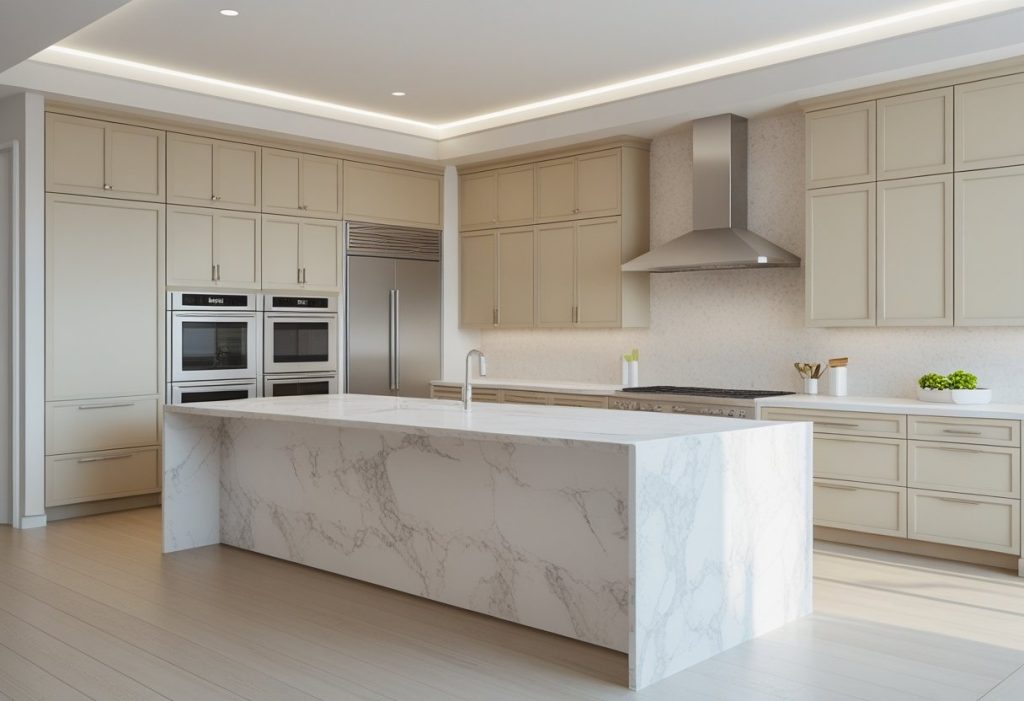
The marble island stands out with its combination of beauty and practicality. Its material choices, uses, and styling all play a crucial role in defining the space’s overall aesthetic and efficiency.
Selecting the Perfect Marble for the Island
Choosing the right marble involves balancing color, veining, and durability. Light beige or white marble with subtle gray veining complements minimalist beige cabinetry by maintaining a clean, cohesive look. For contrast, darker marble with bolder veins can work but may require careful coordination with other elements.
Durability is key since the island handles prep work and frequent use. Marble grades with tighter veining patterns tend to resist stains and scratches better. Sealing the surface regularly protects against moisture and damage without impacting the material’s natural elegance.
Multi-Functional Uses of a Marble Island
A spacious marble island serves multiple purposes beyond aesthetics. It provides ample workspace for food preparation, partly due to the material’s smooth and cool surface. Integrated storage such as drawers and cabinets underneath helps keep essential tools close without cluttering the countertop.
It also functions as a casual dining area or a place for social interaction during cooking. Adding seating on one side transforms the island into a versatile hub, merging cooking, dining, and entertaining within the kitchen.
Styling and Accessorizing a Marble Island
Styling centers on enhancing the marble’s natural beauty without overwhelming it. Accessories should be functional and minimal to preserve a sleek look. For example, a few well-chosen items like a wooden cutting board or a small ceramic bowl introduce texture and contrast without distraction.
Pendant lighting above the island adds warmth and highlights the marble’s veining. Incorporating natural wood accents or metallic elements in nearby fixtures or hardware creates a balanced and inviting atmosphere that speaks to both practicality and elegance.
Warm Under-Cabinet Lighting for Atmosphere and Function
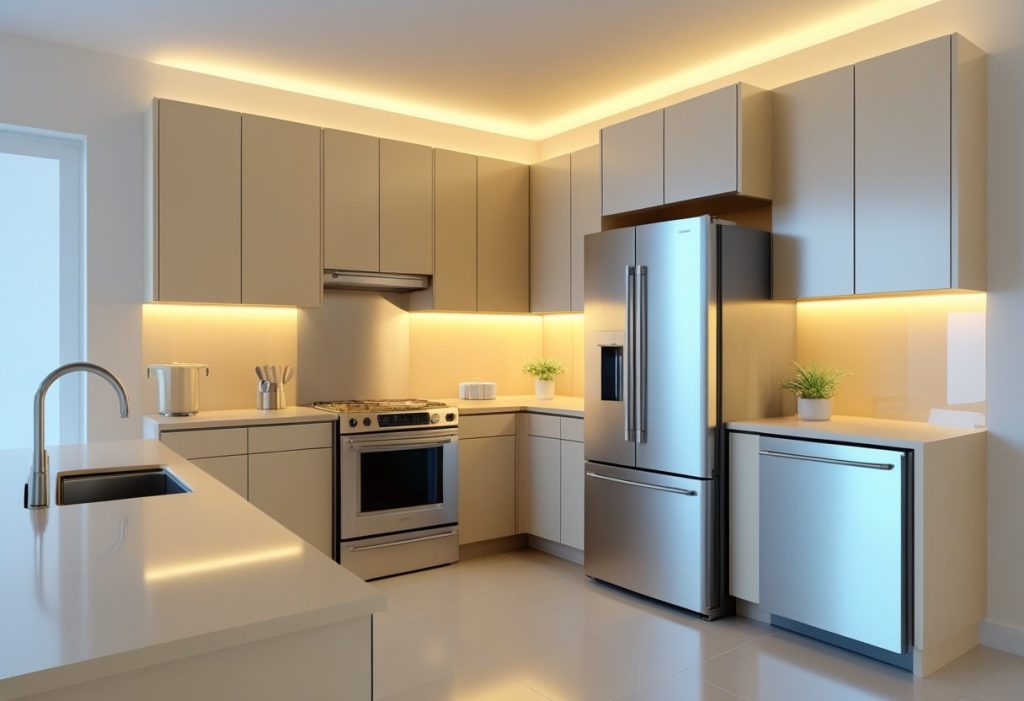
Warm under-cabinet lighting combines practical illumination with a cozy glow, balancing task lighting and ambiance. Proper fixture choice, layered lighting strategies, and correct placement enhance both the visual appeal and usability of a kitchen space.
Types of Under-Cabinet Lighting Fixtures
LED light strips are popular for their slim profile, energy efficiency, and ease of installation. They provide continuous, even light, often with dimmable and color temperature options.
Puck lights offer focused, circular pools of light suitable for accentuating specific areas or highlighting textured backsplashes and countertops.
Rechargeable motion sensor lights add convenience, especially in kitchens seeking a seamless, cordless look. They turn on automatically and suit spaces where wiring is difficult.
Hardwired fixtures tend to be more permanent and can support higher output, ideal for fully integrated lighting systems. Each type balances brightness, style, and installation complexity differently.
Enhancing Ambiance with Layered Lighting
Warm under-cabinet lighting works best when paired with overhead and accent lights to create depth. Combining layers prevents harsh shadows and floods the space with inviting warmth.
Using dimmers allows control over light intensity, shifting from bright task light to soft mood lighting. Warm tones complement beige cabinetry and natural wood, enhancing textures and colors subtly.
Incorporating ambient lighting in cabinets and toe-kick areas adds gentle glow without overpowering. This layered approach ensures the kitchen feels open and welcoming, not stark or overly bright.
Lighting Placement Tips for Functionality
Lighting should cover the entire countertop evenly to avoid dark spots where task clarity suffers. Fixtures placed near the front edge of cabinets direct light downward effectively.
Lights installed too far back can cause shadows from cabinet edges. Maintaining a balance between fixture depth and countertop width is crucial.
It’s best to align lighting zones with prep, cooking, and cleaning areas for targeted brightness. In kitchens with islands, under-cabinet lighting should complement island pendants without overshadowing them.
Consistent spacing and proper wiring contribute to clean lines that preserve minimalist design integrity.
Natural Wood Accents for a Welcoming Space
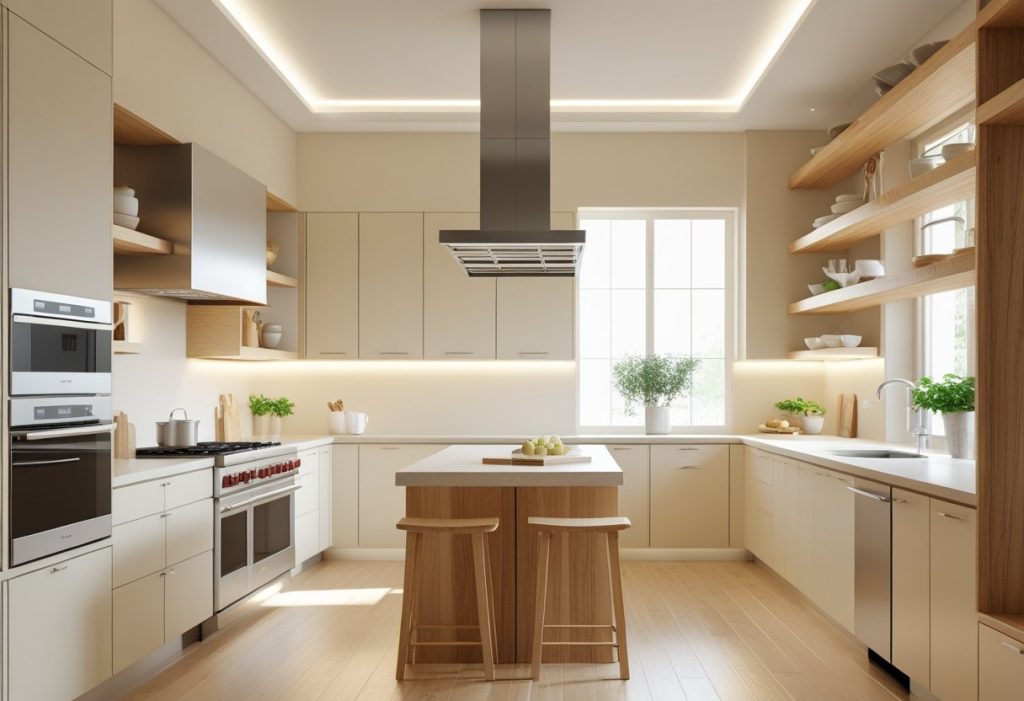
Natural wood accents soften the sleekness of minimalist beige cabinetry and stainless steel appliances. They add warmth and texture without detracting from the clean lines and elegant simplicity of modern design. Thoughtful integration of wood elements enhances both the visual appeal and comfort of the kitchen.
Incorporating Wood Shelves and Trim
Open wood shelves provide both function and style. They create an accessible storage solution while introducing natural grain and tone that contrasts subtly with beige cabinets. Shelves made from light or medium-toned wood work best to maintain brightness and avoid overpowering the space.
Wood trim around cabinetry or windows frames the kitchen with understated detail. It connects various elements, such as the marble island and stainless steel appliances, creating cohesion. The finish should be matte or satin to stay consistent with minimalist principles and prevent gloss or shine that could disrupt the calm aesthetic.
Blending Wood Elements with Minimalist Decor
Blending wood into a minimalist kitchen requires restraint. Designers often pair clean-lined wood furniture or stools with the minimalist architecture of the cabinetry, keeping profiles simple and unembellished. This approach keeps the overall look uncluttered while adding natural warmth.
Using wood only in key areas such as a countertop extension or bar seating balances the coldness of marble and stainless steel. Accents like hand-carved wooden bowls or cutting boards add texture deliberately but sparingly, ensuring the kitchen remains practical and visually serene.
Bringing It Together: Elegant and Practical Kitchen Trends
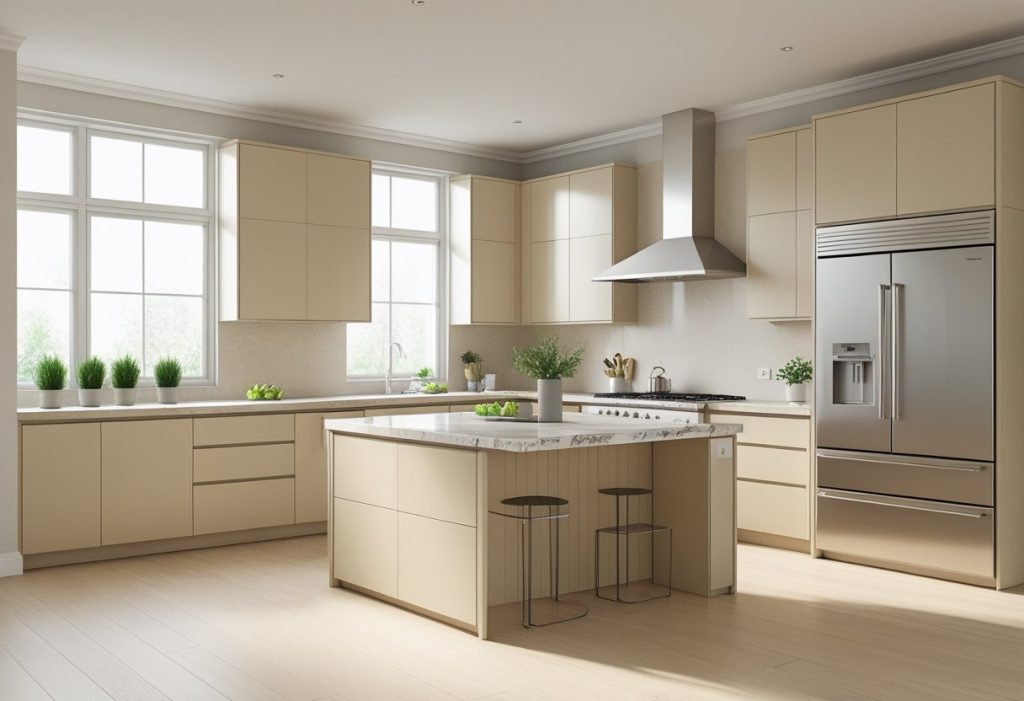
This kitchen design emphasizes seamless integration of minimalist cabinetry, high-end appliances, and spacious surfaces. Key elements like lighting and natural materials enhance both functionality and aesthetic balance.
Balancing Aesthetics with Daily Function
The matte beige cabinetry offers a smooth, handle-less design that keeps the kitchen visually clean. This simplicity supports easy maintenance and reduces wear on hardware.
Stainless steel appliances provide a modern contrast while ensuring durability and efficiency. Their reflective surfaces also help bounce light, making the space feel larger.
The marble island acts as both a prep area and a social hub. Its polished surface is resistant to heat and spills, supporting frequent cooking activities without sacrificing style.
Personalizing Your Minimalist Kitchen
Natural wood accents add warmth to the predominantly neutral palette. These elements introduce texture and prevent the kitchen from feeling sterile.
Warm under-cabinet lighting not only highlights workspace areas but also creates a cozy atmosphere. It visually ties together cabinetry and countertops for a harmonious look.
Choosing a few carefully selected decor items or plants can inject personality without cluttering. Keeping accessories minimal aligns with the sleek, modern theme.
Maintaining a Clutter-Free Environment
Integrated storage solutions in the cabinetry help hide utensils and appliances. This keeps counters clear and preserves the minimalist appeal.
Routine organization is key. Establishing zones for prep, cooking, and cleaning ensures that everything has a dedicated place.
Selecting multifunctional furniture or appliances maximizes usable space and reduces unnecessary items. This approach supports practicality and keeps the kitchen efficient.

Ana Luisa
Explore in-depth biographies, net worth insights, and exclusive updates on your favorite singers at Trionua.com. Discover the journeys, achievements, and latest news about music’s biggest stars.