Making a home look expensive doesn’t require a large budget or extensive remodeling. Instead, it relies on smart choices like thoughtful color schemes, quality lighting, and carefully selected accents that elevate the overall feel of a space. By focusing on layering textures, improving lighting, and using intentional decor, anyone can create a polished, upscale look without overspending.
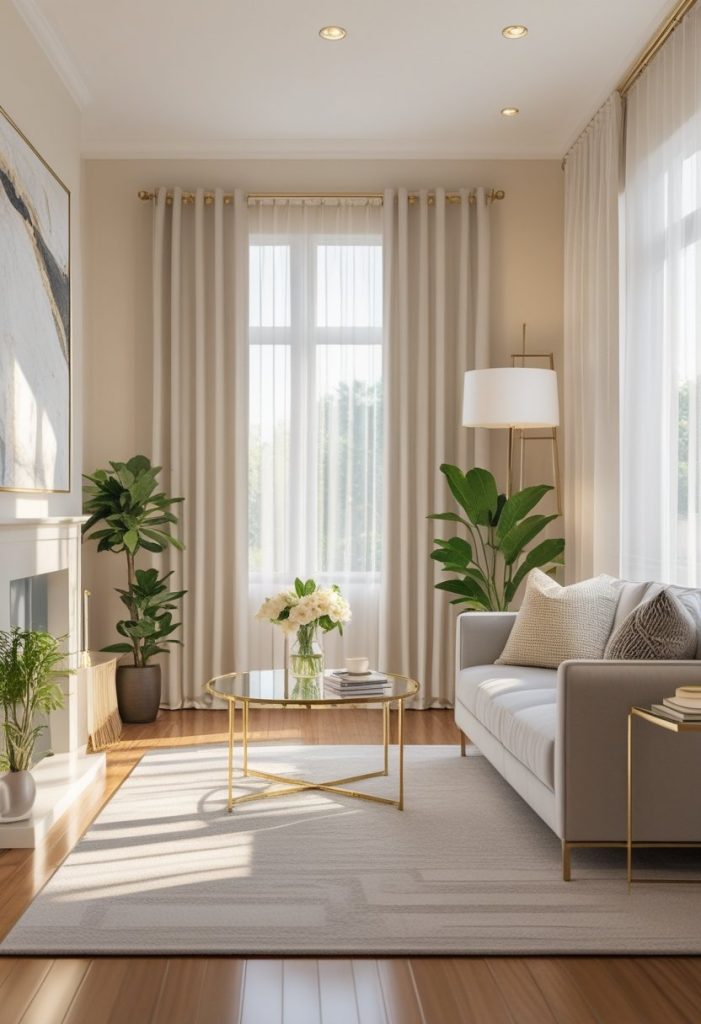
Small updates, such as upgrading window treatments or adding elegant hardware, can have a big impact. Even simple changes like incorporating a stylish planter or choosing the right paint color can transform a room’s appearance in subtle but significant ways. These practical strategies allow a home to feel more custom and refined on a budget.
This approach is about maximizing style through curated elements and clarity in design, not splurging on luxury items. With the right techniques, a home can look well-designed, intentional, and inviting without a hefty price tag.
Maximize First Impressions
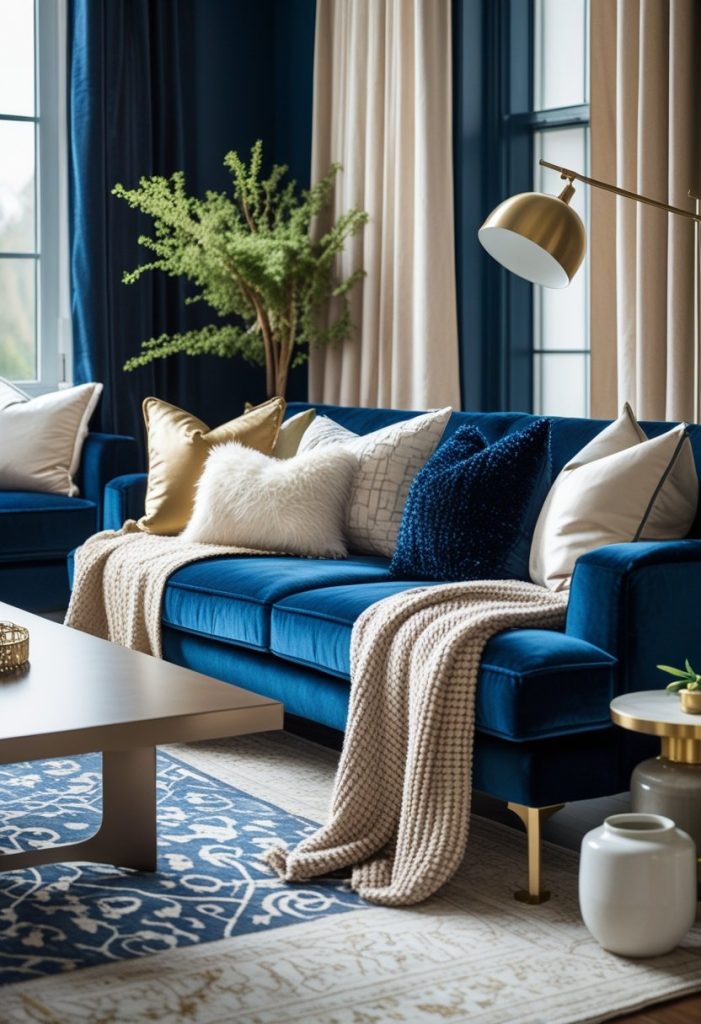
Creating a memorable first impression starts with deliberate design choices that draw attention to key areas. Attention to detail and well-chosen upgrades can elevate a home’s curb appeal and interior welcome without excessive expense.
Enhance Entryway Style
The entryway acts as the home’s initial focal point, so enhancing it creates an inviting and luxurious atmosphere. Installing a bold, quality front door or applying a fresh coat of paint in a sophisticated color immediately upgrades the space.
Adding a statement light fixture or a stylish doormat can contribute subtle luxury without overspending. Mirrors or artwork near the door add depth and personality, making the space feel curated.
Decluttering the entryway and incorporating functional storage solutions keep the area tidy and welcoming. Using layered textures—such as a woven rug, a sleek console table, and decorative baskets—can transform this small space into an impactful home decorating element.
Upgrade Exterior Details
Exterior details significantly influence the perceived value of a home. Simple improvements, like replacing outdated house numbers with modern, metallic ones, enhance overall appeal.
Upgrading door hardware, like handles and locks, to matching finishes creates a cohesive and expensive look. Well-maintained landscaping with trimmed bushes and seasonal plants frames the home and draws attention to its best features.
Power washing siding and sidewalks clears away grime, revealing a fresh facade. Adding consistent, warm outdoor lighting along pathways and near entrances not only improves safety but also creates a polished, upscale ambiance after dark.
Declutter and Organize for a Luxe Look
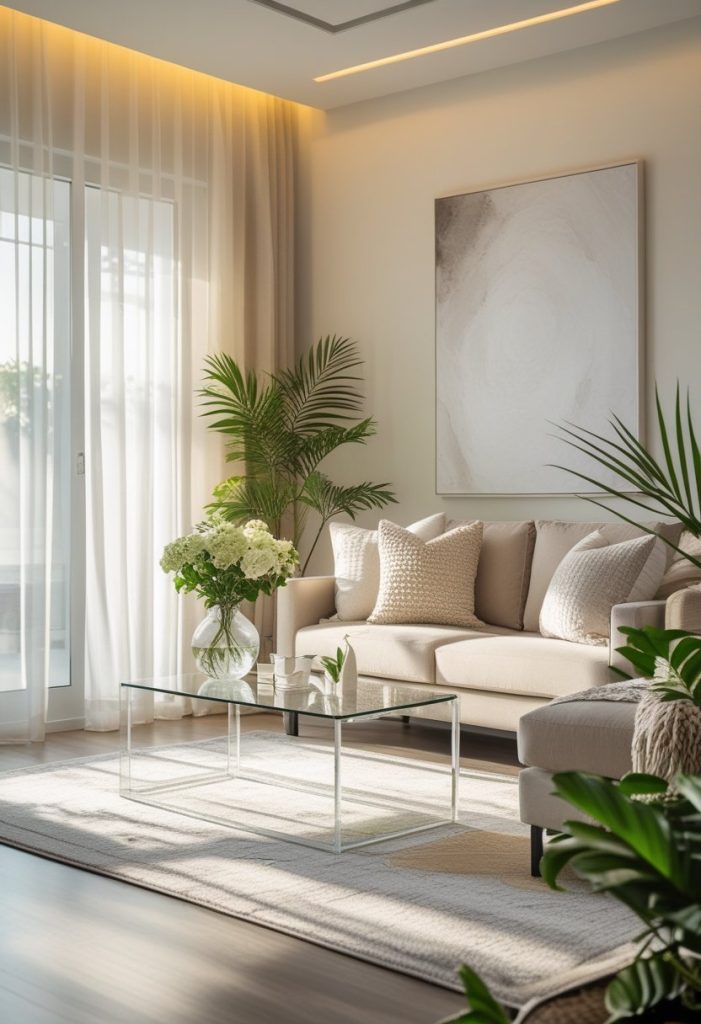
Creating a polished, luxurious feel starts with clear, uncluttered spaces and smart storage. Keeping areas tidy and using refined organizing methods helps elevate the overall appearance without spending much.
Streamline Surfaces
Clearing surfaces of unnecessary items instantly upgrades a room’s vibe. Removing excess knick-knacks, paper piles, and random objects helps maintain a sleek and orderly look. It’s best to leave only a few carefully chosen decorative pieces or essentials that complement the space.
Focus on symmetry and spacing when arranging items on tables or shelves. For example, a vase with fresh flowers or a sculptural object placed methodically can add elegance. Avoid overcrowding; negative space enhances the feeling of sophistication.
Consistently wiping and dusting surfaces maintains their appeal. Clean surfaces reflect light better and reinforce the sense of order, both important in a “luxe” aesthetic.
Chic Storage Solutions
Using attractive, functional storage is key to hiding clutter while supporting style. Matching baskets, bins, or boxes in neutral or high-quality materials can contain loose items neatly without feeling cheap or disorderly.
Custom closet systems or built-in shelving help maximize space and keep belongings organized. These investments, even modest ones, elevate home organization beyond visible clutter control.
Labeling containers subtly adds to efficient upkeep, making it easier to maintain tidiness. Avoid transparent or brightly colored plastic bins in main living spaces, as they can disrupt a sophisticated look. Instead, opt for wicker baskets, linen-covered boxes, or sleek wood options that blend with the decor.
Use High-Impact Paint and Accent Walls
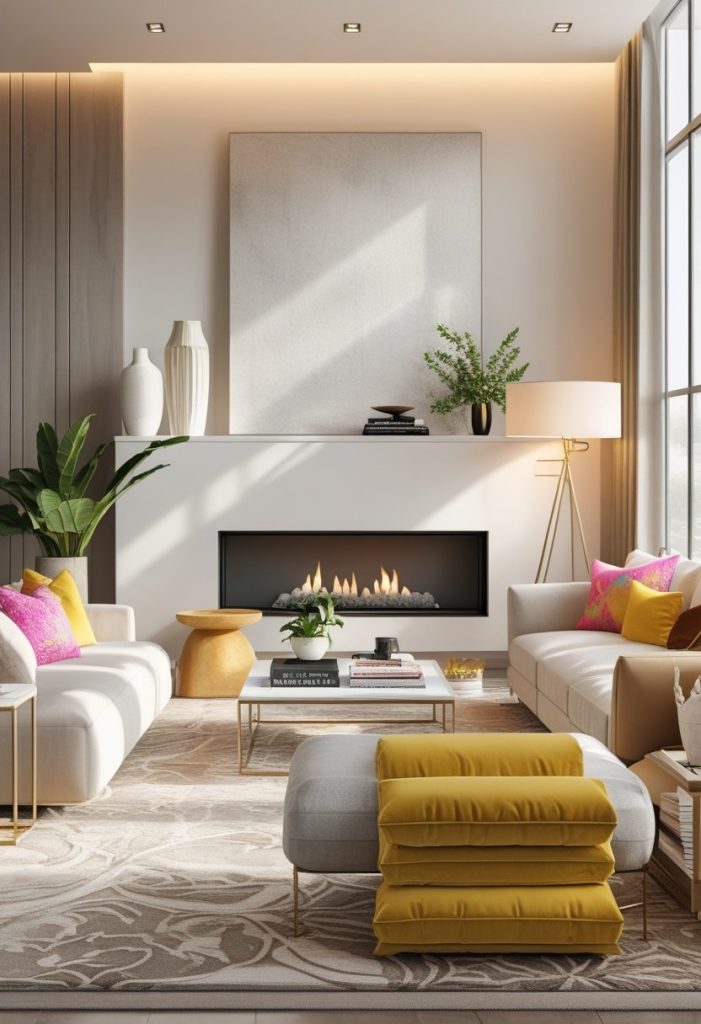
Strategic use of paint can add depth and style to any room without a large investment. Focusing on accent walls and carefully selected color schemes can immediately raise the perceived value of a space.
Create an Accent Wall
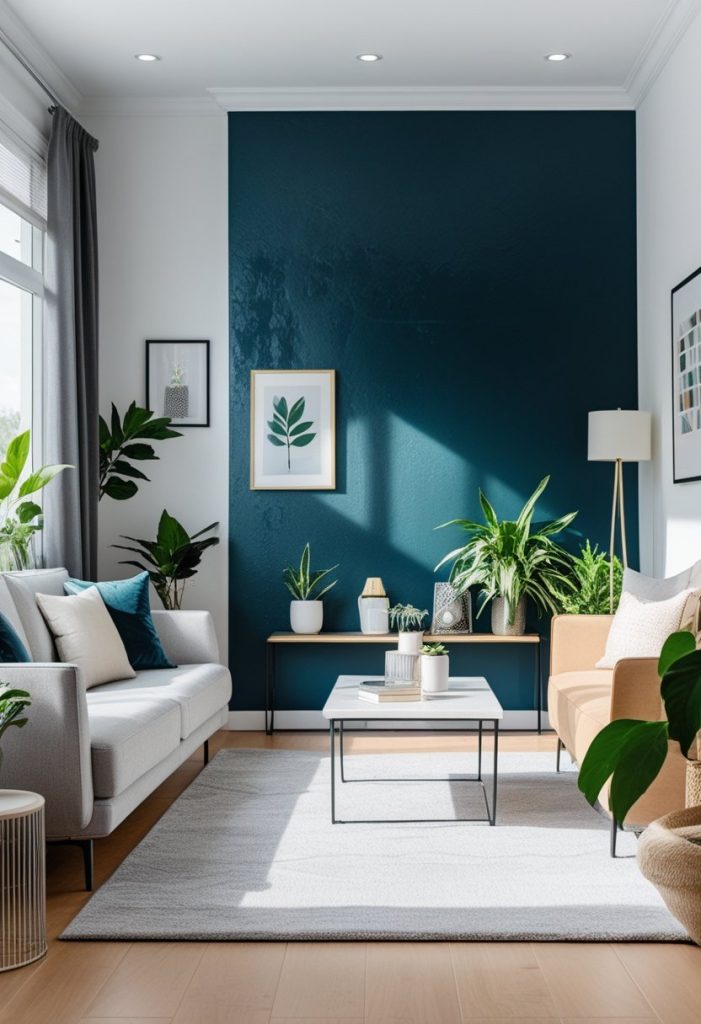
An accent wall adds a focal point by highlighting one wall with a different color or texture. This technique draws attention and creates visual interest without overwhelming the room.
Simple paint choices like rich, matte finishes or textured techniques such as sponging can elevate the effect. Popular styles include geometric patterns, board and batten, or even faux finishes that mimic expensive materials.
It is important to prep the wall properly by cleaning, sanding, and priming to ensure a smooth and lasting finish. Using eggshell or satin finishes provides subtle shine and sophistication without the harshness of gloss.
Choose a Sophisticated Color Palette
Selecting the right colors plays a crucial role in creating an expensive look. Neutral tones combined with one or two bold, deep colors often work best. Shades like navy, charcoal, or emerald green pair well with soft grays, creams, or warm beiges.
Consistency is key; using complementary colors for trim and moldings can tie the room together elegantly. Avoid overly bright or trendy colors that can date the space quickly.
Testing small patches on different walls and viewing them in natural light helps avoid unexpected results. This careful selection process ensures a polished, high-end appearance with minimal cost.
Elevate with Molding and Architectural Details
Adding molding and architectural elements can transform a plain room into one that feels carefully designed and expensive. These details bring texture, depth, and formality, enhancing the overall aesthetic without a large investment.
Install Crown Molding
Crown molding sits where the wall meets the ceiling and adds a polished, finished look. Installing it creates clean, straight lines that frame the room and can make ceilings appear taller.
Homeowners can choose from simple profiles or more intricate designs depending on style preference. Materials range from wood to MDF, with the latter being cost-effective and easy to paint.
Proper measurement and cutting are essential for tight corners and seamless joints. Using a miter saw and coping techniques improves fit, avoiding gaps that reduce the impact.
Painting the molding in a slightly contrasting or bright white shade against the wall color emphasizes its presence and adds refinement.
Add Decorative Wall Molding
Decorative wall molding breaks up plain walls and adds architectural interest without major construction. Popular options include picture rails, chair rails, and wainscoting panels.
Arranging molding in geometric patterns, such as rectangles or squares, adds dimension and a custom feel. These panels can be painted the same color as the wall or a complementary shade.
Wall molding requires precise layout and secure fastening with nails or adhesive designed for trim. It can be installed on a single feature wall or throughout a room for cohesion.
This detail brings texture and visual interest, making the space feel intentional and upscale while remaining budget-friendly.
Upgrade Hardware and Fixtures
Small changes to hardware and fixtures can dramatically enhance a room’s appearance. Choosing the right materials and finishes brings sophistication without a major remodel or a large budget.
Update Cabinet and Drawer Hardware
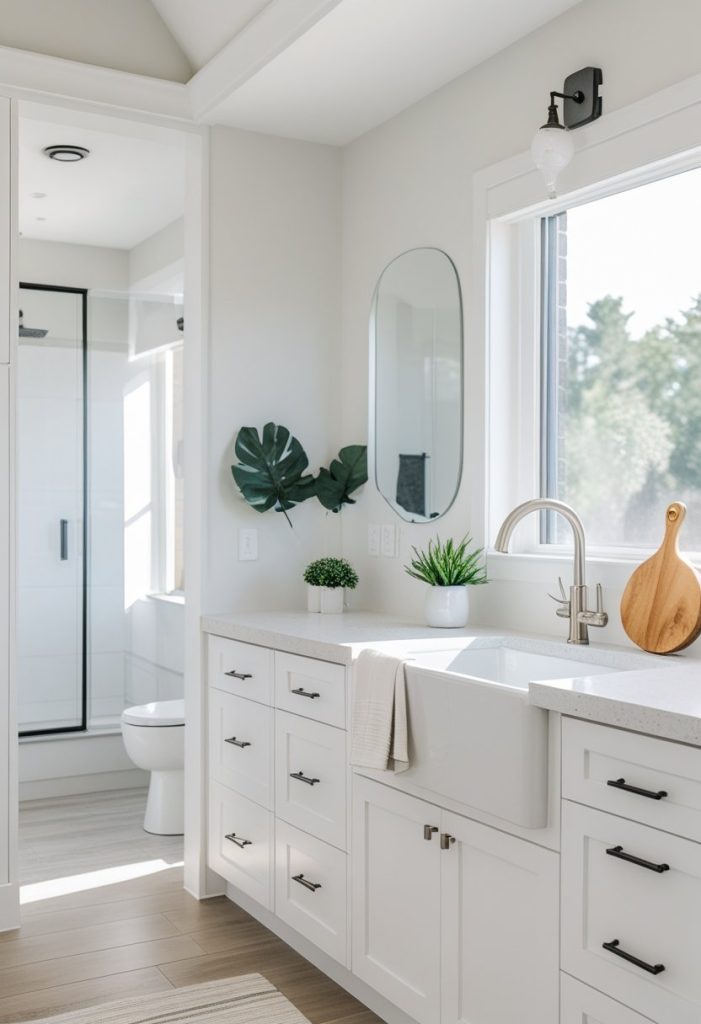
Replacing cabinet knobs and drawer pulls is one of the most effective budget-friendly upgrades. Opting for modern styles like matte black or brushed nickel immediately refreshes kitchens and bathrooms.
Affordable options are widely available online and in hardware stores. Installing new hardware requires minimal tools and no professional help in most cases, making it an easy weekend project.
Concentrating on quality over quantity helps. Even inexpensive hardware looks better if it has a solid feel and smooth finish. Matching hardware across the space creates a cohesive and intentional design.
Integrate Brass Finishes
Brass finishes add warmth and a subtle luxury to any room. They work well on faucets, light fixtures, and cabinet hardware, providing a timeless and stylish look.
Choosing satin or brushed brass avoids an overly shiny or outdated appearance. It pairs well with neutral colors and organic materials like wood and stone.
Mixing brass with matte black or chrome selectively balances the room and keeps design from feeling overdone. Adding brass accents requires small investments but yields a notable visual upgrade.
Layer Textures and Luxurious Fabrics
Achieving a high-end look involves careful selection and layering of fabrics and textures to add richness and depth. Using a mix of materials with different tactile qualities creates visual interest and warmth, enhancing any space.
Add Linen and Rich Fabrics
Linen is a versatile fabric that adds subtle texture and a natural, relaxed elegance. Its matte finish and breathable quality make it ideal for curtains, throw pillows, and upholstery. Combining linen with richer fabrics like velvet or silk introduces contrast and luxury without overwhelming the room.
Rich fabrics, such as velvet and satin, contribute softness and a polished look. Small accents like velvet cushions or silk throws elevate the feel of furniture instantly. These fabrics reflect light differently, creating a dynamic and inviting atmosphere that mimics expensive interiors.
Mix Textures for Depth
Mixing textures means blending smooth, rough, shiny, and matte materials to avoid a flat or one-dimensional space. Key combinations include pairing soft knits with crisp linens or smooth leather with textured rugs.
Textural variety works well in layered setups, such as cushions atop a linen sofa or a faux fur throw over a woven rug. This interplay adds depth, making rooms feel curated and balanced rather than sparse. Thoughtful layering of fabrics turns simple furniture into a sophisticated focal point.
Feature Statement Lighting
Statement lighting can transform a room by adding visual interest and elevating the overall atmosphere. Using bold fixtures like chandeliers and carefully placed lamps, a space feels more refined without a large investment.
Highlight Chandeliers and Pendants
Chandeliers and pendant lights immediately catch the eye and create a focal point. Choose pieces with clean lines or vintage-inspired designs to impart a timeless look.
Size matters: fixtures that fit the scale of the room make a bigger impact. For a dining area, the chandelier should be about half to two-thirds the width of the table. In living areas, pendants with adjustable heights offer versatility.
Opt for materials like brass, matte black, or glass to appear more sophisticated. Warm LED bulbs are preferable, as they produce a cozy ambiance without harsh glare.
Use Statement Lamps Strategically
Statement lamps add character and warmth when placed thoughtfully. Position floor lamps near seating areas or corners to brighten shadowed spaces.
Table lamps with unique shapes or textures work well on side tables or consoles. A lamp with a sculptural base or an oversized shade can function as both light source and décor piece.
Layer lighting by combining different types: ambient light from ceiling fixtures, task light from lamps, and accent light from wall sconces. This variety deepens the room’s look and feel without increasing costs significantly.
Create Focal Points and Art Displays
Focal points anchor a room’s design, drawing the eye and adding personality without requiring a large budget. Thoughtful use of art and arrangement can elevate the space significantly. Prioritizing quality over quantity ensures a polished, intentional look.
Curate a Gallery Wall
A well-curated gallery wall uses fewer but larger pieces rather than cluttering with many small items. Selecting artwork with a common theme or color palette creates cohesion and sophistication. Frames should complement each other, ideally in similar styles or finishes.
Spacing is crucial; leave enough breathing room between pieces to avoid visual clutter. Arranging art asymmetrically can add interest while maintaining balance. Including a mix of mediums—photography, prints, or personal photos—enriches the display without overwhelming the wall.
Showcase Oversized Art
Oversized art can instantly establish a strong focal point in any room. A single large piece avoids visual chaos and communicates intentionality. Choosing artwork with bold but simple design elements enhances the room’s aesthetic and creates a sense of luxury.
Placement matters—hang the piece at eye level on a prominent wall for maximum impact. This approach reduces the need for excessive decor elsewhere, maintaining a clean, high-end vibe with minimal effort. Oversized art can also work as a statement above sofas, mantelpieces, or entryways.
Incorporate Mirrors and Reflective Surfaces
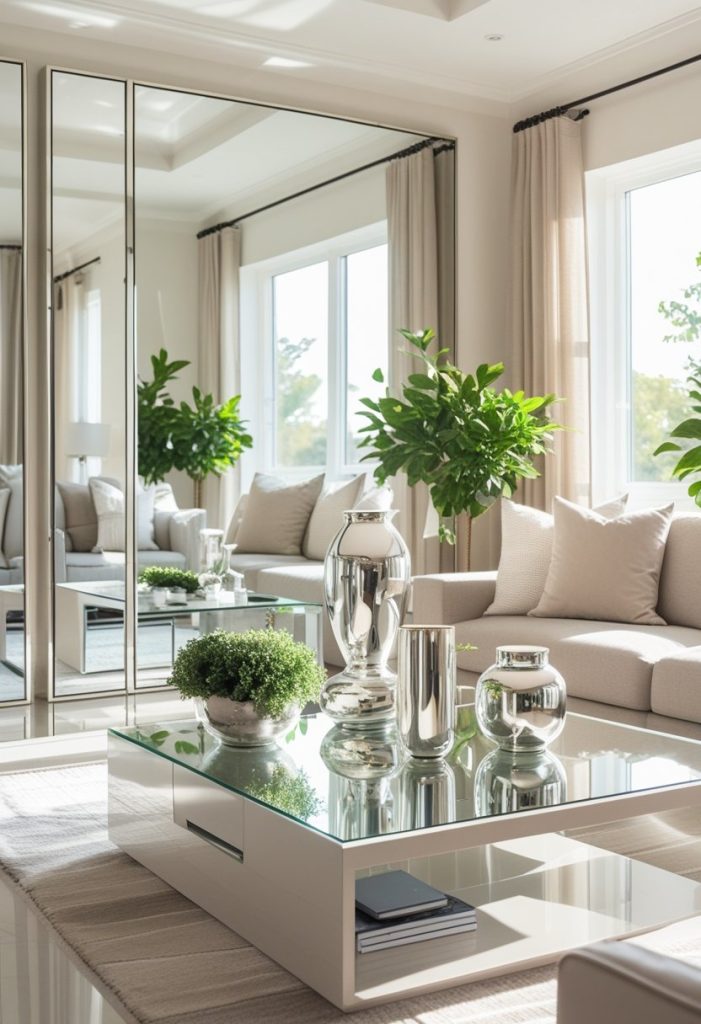
Using mirrors and reflective surfaces can add sophistication without a high cost. They enhance natural light and create a sense of spaciousness. Intentional placement and the right sizes can elevate a room’s aesthetic instantly.
Strategic Mirror Placement
Placing mirrors across from windows or light sources maximizes brightness. This technique reflects natural light deep into rooms, making spaces feel more open and inviting. Larger mirrors, like floor-length ones, work well in narrow hallways or small living areas to increase perceived depth.
Position mirrors near key features such as artwork or architectural details to highlight them. Grouping small mirrors with decorative frames can also create eye-catching focal points. Avoid cluttering walls; instead, place mirrors where they add balance and draw the eye thoughtfully.
Expand Light and Space
Tall, large mirrors visually double the size of a room by reflecting both walls and ceilings. This creates an illusion of height and width, especially useful in compact rooms. Reflective surfaces, including mirrored furniture or metallic finishes, complement mirrors by catching light from multiple angles.
Mirrors with clean, simple frames tend to look more expensive and modern. Rustic or ornate frames can be budget-friendly alternatives if chosen to suit the room’s style. Outdoor areas also benefit from weatherproof mirrors to visually enlarge patios or gardens, extending the feel of living spaces beyond walls.
Enhance Spaces with Rugs and Soft Furnishings
Rugs and soft furnishings can define spaces and add texture without expensive renovations. Strategic choices in size, style, and layering contribute to a polished, upscale look.
Choose the Right Area Rug
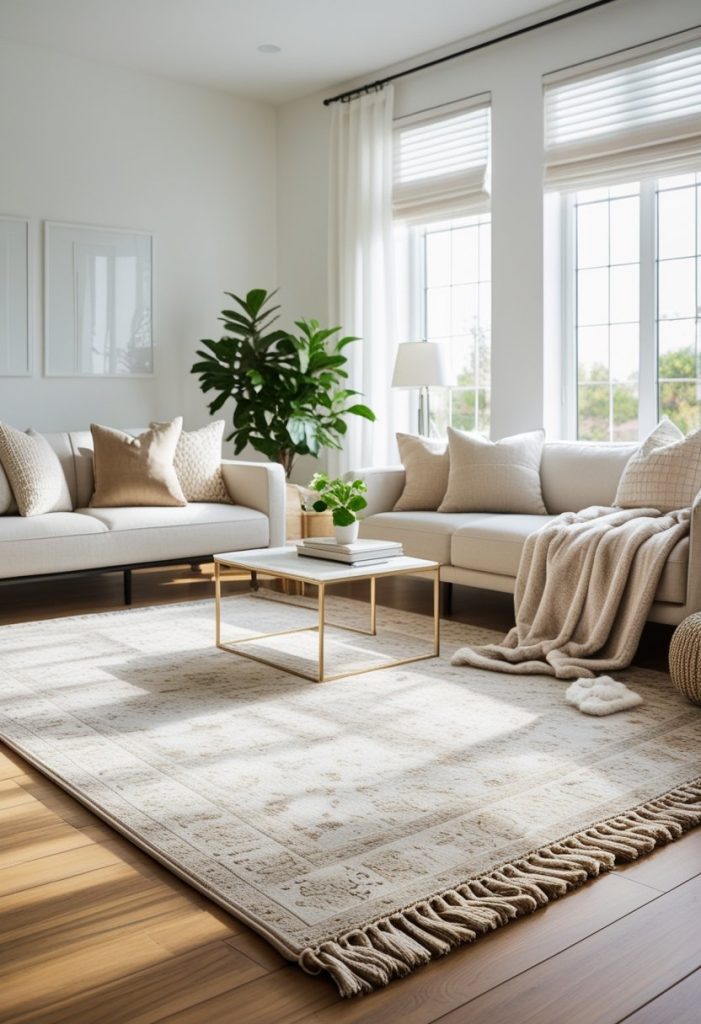
Selecting the correct size is critical. An area rug should be large enough to anchor furniture and define the space, such as extending under the front legs of sofas and chairs in living areas or fully beneath a dining table.
Color and texture also influence the room’s atmosphere. Neutral or muted tones often evoke sophistication, while subtle patterns add depth without overwhelming. Materials like wool or natural fibers provide durability and a refined appearance.
Placement matters. Align rugs with room focal points, like seating groups or entryways, to create intentional zones. Properly placed rugs visually balance the room and enhance the layout’s flow.
Layer Rugs for Interest
Layering smaller rugs over larger, neutral bases introduces variety and dimension. This technique adds visual interest and texture, making spaces appear thoughtfully styled rather than plain.
Mixing different textures – such as a flat-weave rug beneath a plush one – adds tactile contrast. Patterns can also be combined cautiously; a solid base rug with a subtly patterned overlay maintains cohesion.
It’s important that layered rugs complement the furniture and color scheme. The base layer should ground the space, while the top layer acts as an accent piece. Layering can also define multiple zones within a larger open floor plan.
Refresh Kitchens and Bathrooms on a Budget
Updating kitchens and bathrooms can significantly raise the look of a home without requiring a full remodel. Focusing on select details can create a fresh, modern feel while staying within a reasonable budget.
Install a Tile Backsplash
A tile backsplash is a cost-effective way to add style and personality. It protects walls from water and stains while introducing texture and color to the space.
Choosing peel-and-stick tiles or affordable ceramic options keeps costs low. Neutral tones like white, gray, or soft beige blend well with most designs and maintain a timeless look.
Installing the backsplash oneself saves labor costs and can be done with basic tools. Proper surface preparation and grout application are key for a durable finish.
A well-chosen backsplash acts as a visual centerpiece without the expense of a full renovation.
Affordable Fixture Updates
Swapping outdated fixtures like faucets, cabinet handles, and light fittings instantly modernizes kitchens and bathrooms.
Opting for brushed nickel, matte black, or polished chrome fixtures gives a clean, upscale appearance. These finishes work well across various styles from contemporary to classic.
Replacing cabinet hardware is a simple upgrade with high impact. It costs less than $50 in many cases and can completely refresh the cabinets’ look.
Upgrading lighting, such as adding LED bulbs or replacing dated fixtures with sleek designs, brightens the space and improves ambiance. This also influences perceived value by highlighting features.
Focus on coordinating finishes and clean installation for the best results within a tight budget.

Ana Luisa
Explore in-depth biographies, net worth insights, and exclusive updates on your favorite singers at Trionua.com. Discover the journeys, achievements, and latest news about music’s biggest stars.