Before & After Outdoor Designs: Yards, Pergolas & More
Outdoor spaces can be completely transformed with thoughtful design elements like pergolas, landscaping, and creative layouts. Well-planned outdoor makeovers increase functionality, add architectural appeal, and create inviting areas for relaxation and entertainment.
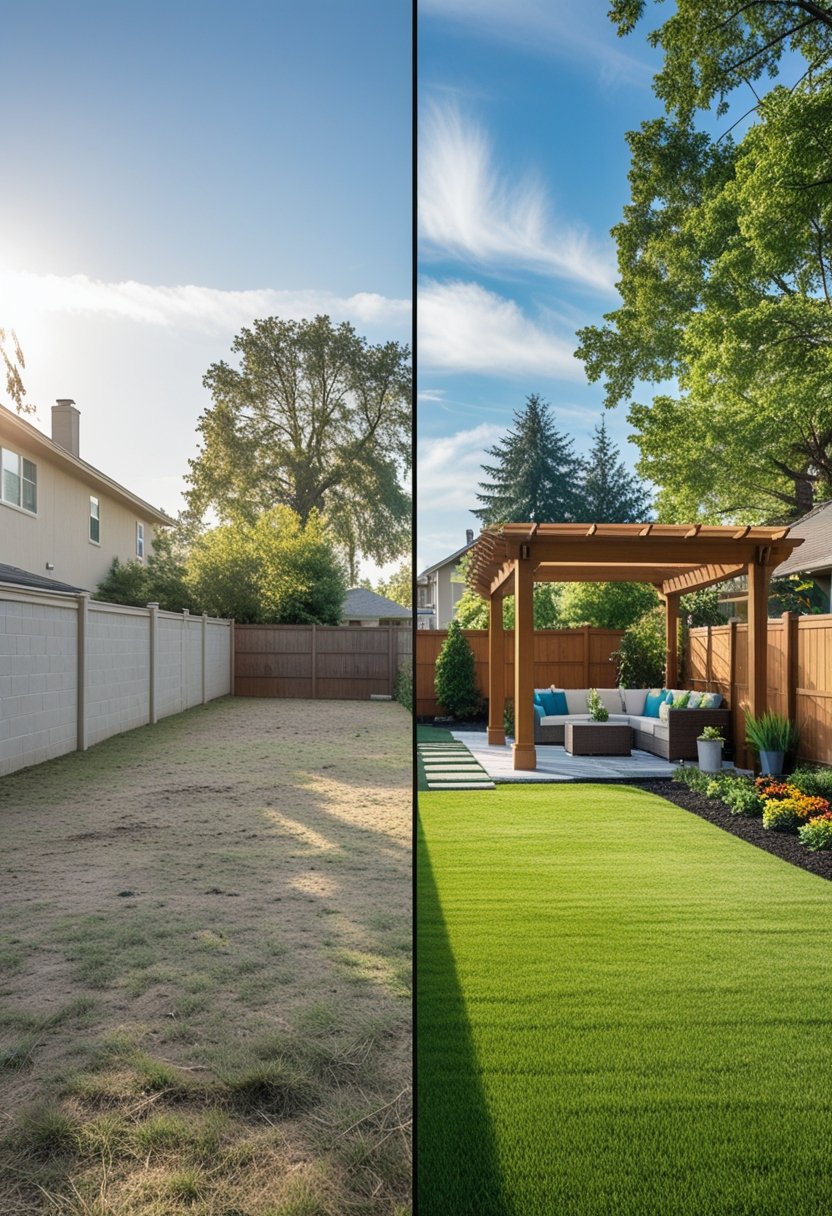
Many projects highlight how adding structures such as custom pergolas or water features can frame a yard, enhance privacy, and provide shade, turning ordinary spaces into stylish retreats. Visual before-and-after examples demonstrate the potential of even small upgrades to change a yard’s atmosphere and usability.
By exploring a range of outdoor design makeovers, readers can find inspiration for their own spaces and see practical ideas that bring fresh life to yards, patios, and gardens.
Transforming Outdoor Spaces: Before & After Insights
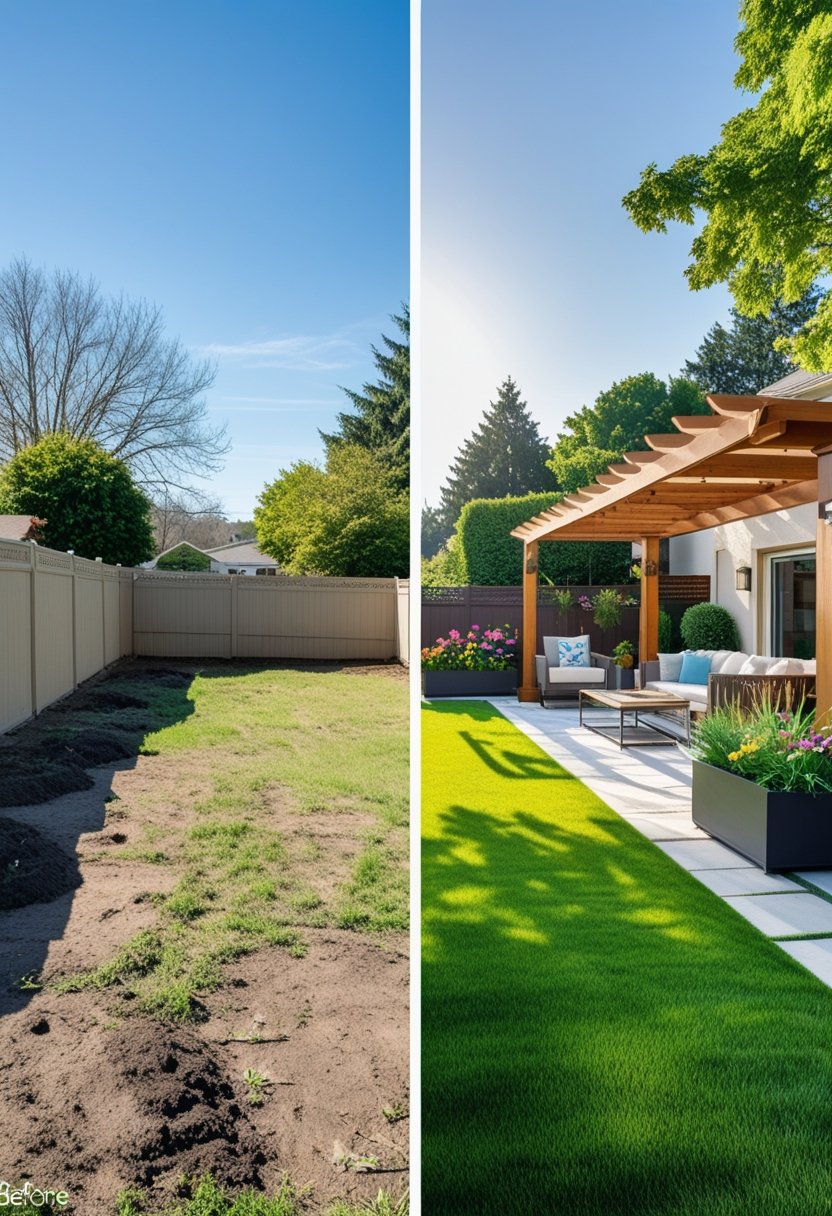
Effective outdoor transformations hinge on both design choices and practical improvements. The right combination of functional features, aesthetic elements, and thoughtful landscaping can elevate the usability and appeal of any outdoor living space. Challenges often arise around balancing these factors while maximizing property value.
Key Elements That Define Outdoor Renovations
Successful outdoor makeovers blend hardscape and softscape elements for balanced landscape design. Essential features include patios, pergolas, fire pits, and dining areas, which create inviting focal points. Integration of functional lighting and irrigation, such as drip systems for planters, supports both beauty and maintenance.
Outdoor furniture choices and arrangement impact comfort and social usability. Adding pathways, trellises, or water features can add depth and structure. Thoughtful plant selection enhances color, texture, and seasonal interest, turning neglected yards into organized, vibrant spaces.
Impact of Outdoor Improvements on Home Value
Outdoor renovations often lead to tangible increases in home value through expanded usable living space. A well-designed outdoor living space acts as an extension of the home, appealing to buyers looking for social and recreational areas.
Features like pergolas, built-in grills, and fire pits contribute to a higher perceived market value. Quality landscape design that improves curb appeal and adds privacy also boosts desirability. Data shows that investing in outdoor upgrades can deliver a return on investment (ROI) comparable to indoor improvements, especially in regions where outdoor living is highly valued.
Common Challenges in Outdoor Makeovers
One frequent challenge is site limitations, such as uneven terrain or poor drainage, which complicate installation and design. Budget constraints often force compromises on materials or scope, affecting overall impact.
Balancing aesthetics with functionality is critical but difficult; for example, selecting plants that thrive in local conditions while matching design goals. Maintenance demands can be underestimated, making irrigation and lighting systems vital for long-term usability. Finally, ensuring changes comply with local codes and homeowner associations can delay or limit desired transformations.
Yard Makeover Highlights: Lawn to Luxury
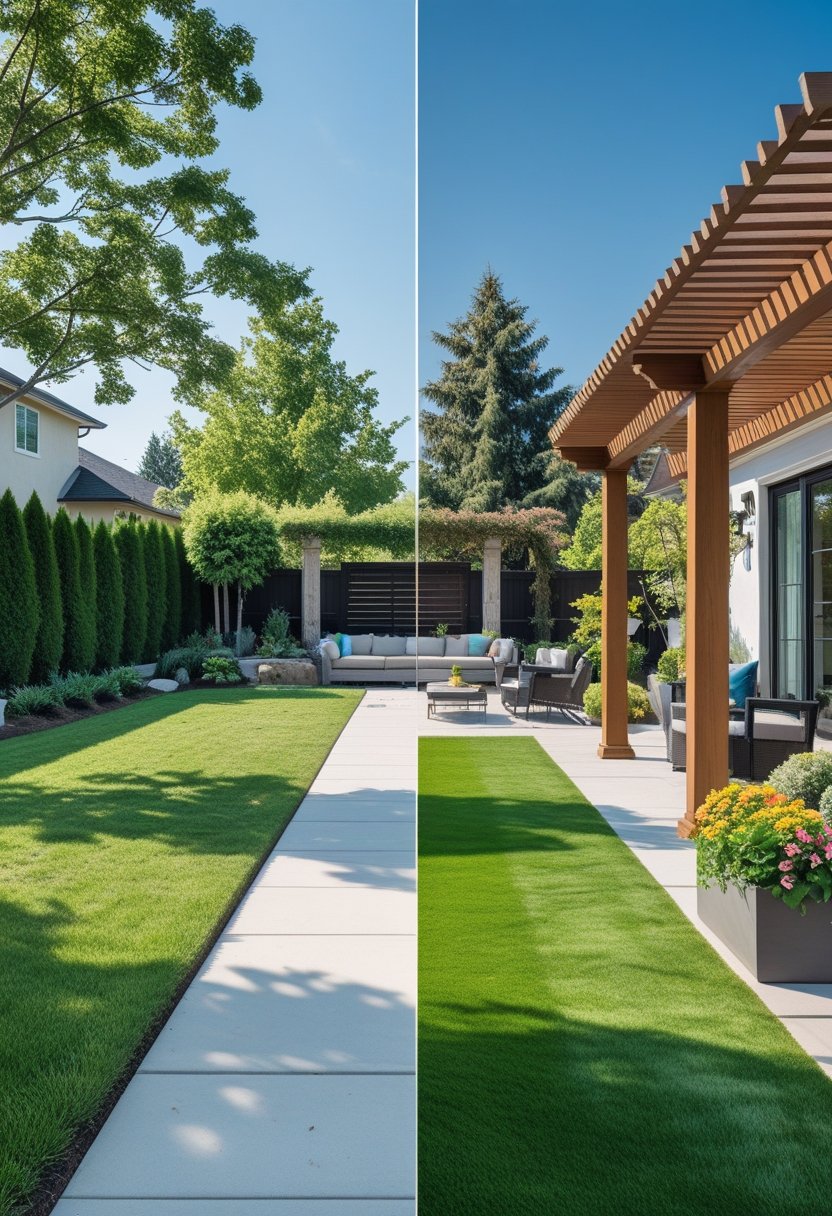
Transforming a yard from basic lawn to a refined, functional space often involves combining current design trends, effective privacy solutions, and smart use of every square foot available. Each element contributes to creating an outdoor area that balances beauty, comfort, and usability.
Landscape Design Trends for Modern Yards
Modern landscape design favors clean lines, minimalist aesthetics, and sustainable plantings. Homeowners increasingly choose native plants that require less water and maintenance. Integrating hardscape elements such as retaining walls, stone pathways, and concrete patios adds texture and structure without cluttering the space.
Open lawn areas are often replaced or complemented by multifunctional zones like dining terraces or fire pit lounges. Mixing materials, such as wood and metal with greenery, creates contrast and visual interest. Low-maintenance ground covers and drought-resistant shrubs also support eco-friendly landscaping principles.
Privacy and Screening Solutions
Privacy remains a crucial concern for outdoor spaces, influencing both design and comfort. Vertical plantings like tall shrubs, ornamental grasses, and climbing vines on pergola lattices provide natural barriers. Retaining walls doubled as privacy screens when strategically positioned can help contour landscapes and visually define zones.
Modern yards often use decorative screens made of wood or metal to block views without blocking sunlight. Combining hard and soft elements delivers effective screening that feels inviting rather than confined. Well-placed trees or hedges enhance noise reduction and seclusion, especially in urban settings.
Maximizing Usable Outdoor Space
Maximizing usable outdoor space involves thoughtful layout and multifunctional design. Converting small or irregularly shaped yards into distinct areas—such as lounges, kitchens, or play zones—boosts usability without crowding. Modular furniture and built-in seating on patios increase comfort while saving space.
Retaining walls can expand usable flat areas on sloped sites, creating terraces for garden beds or seating. Shade structures, including pergolas, extend time spent outdoors by providing sun protection. Smart lighting enhances safety and ambience, making evening use more inviting.
| Strategy | Benefit | Example |
|---|---|---|
| Retaining Wall Terracing | Adds flat usable space | Raised garden beds or seating |
| Vertical Plant Screens | Maintains privacy | Vine-covered pergolas |
| Modular Seating | Flexible and space-saving | Built-in benches with storage |
Pergolas That Transform: Structure and Style
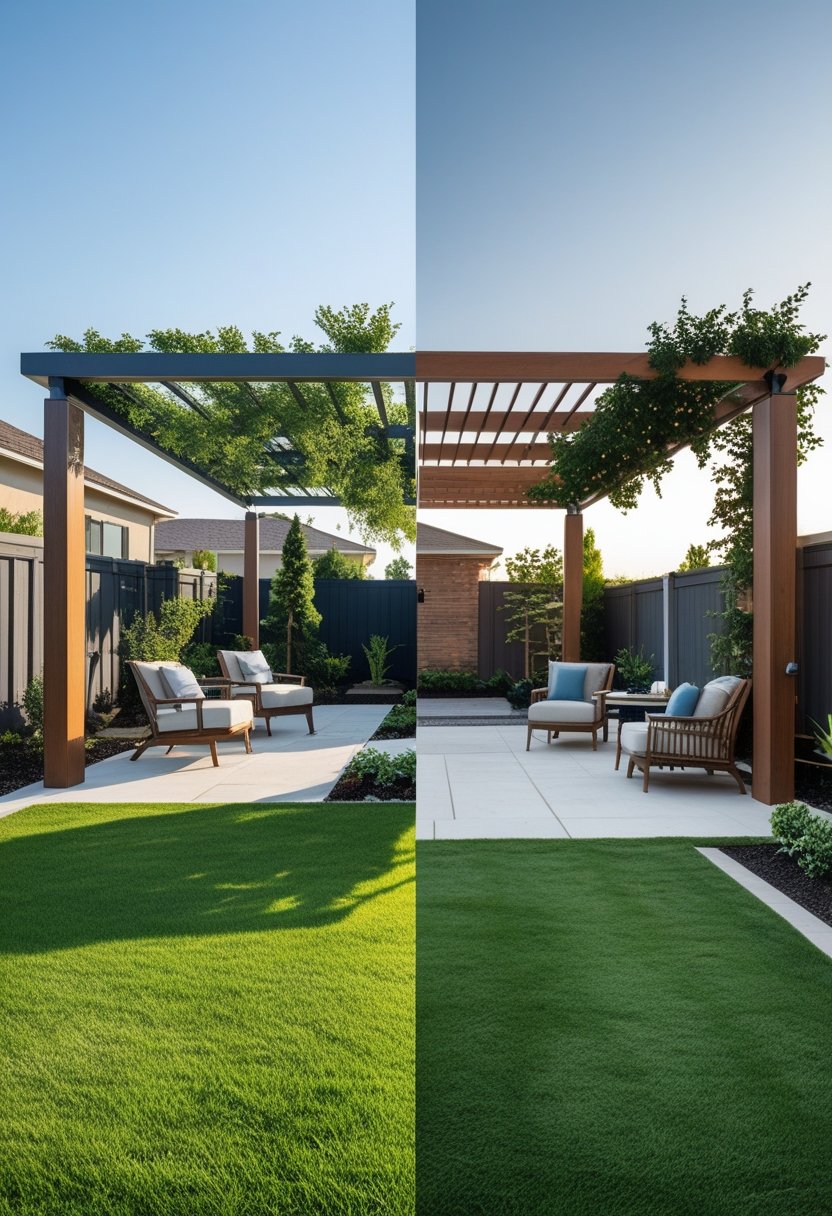
A pergola can enhance an outdoor area by adding shade, privacy, and architectural interest. Selecting the right design and placing it carefully ensures the structure complements the yard’s flow and daily sun patterns, creating a functional outdoor room.
Choosing the Right Pergola for Your Space
The choice of pergola depends on the size and style of the available outdoor space. Wooden pergolas offer a classic, warm look and can be customized with climbing plants or fabric for added shade and privacy. Metal pergolas provide a sleek, modern appearance and often require less maintenance.
Key considerations include:
- Material: Wood for natural aesthetics, metal for durability.
- Size: Proportional to the yard; too large overwhelms, too small limits use.
- Design options: Open lattice tops for filtered light; solid roofs for full shade.
Including adjustable elements like retractable canopies or side curtains can increase privacy and protect from sun and wind, enhancing the outdoor room’s usability.
Pergola Placement for Sun, Shade, and Flow
Proper pergola placement maximizes comfort and integrates the structure with existing yard elements. Ideally, it should shade areas most used during peak sun hours, such as seating or dining zones.
Consider these factors:
| Factor | Consideration |
|---|---|
| Sun Orientation | Position pergola to block the strongest sun rays (south or west-facing areas) |
| Breeze and Ventilation | Choose locations that allow airflow to avoid overheating |
| Yard Flow | Ensure pathways and views remain unobstructed |
Adjacency to decks, patios, or pools supports multifunctional outdoor rooms, encouraging use throughout the day and into the evening. Proper placement can also enhance privacy from neighbors by screening or directing sight lines.
Elevating Outdoor Living Rooms
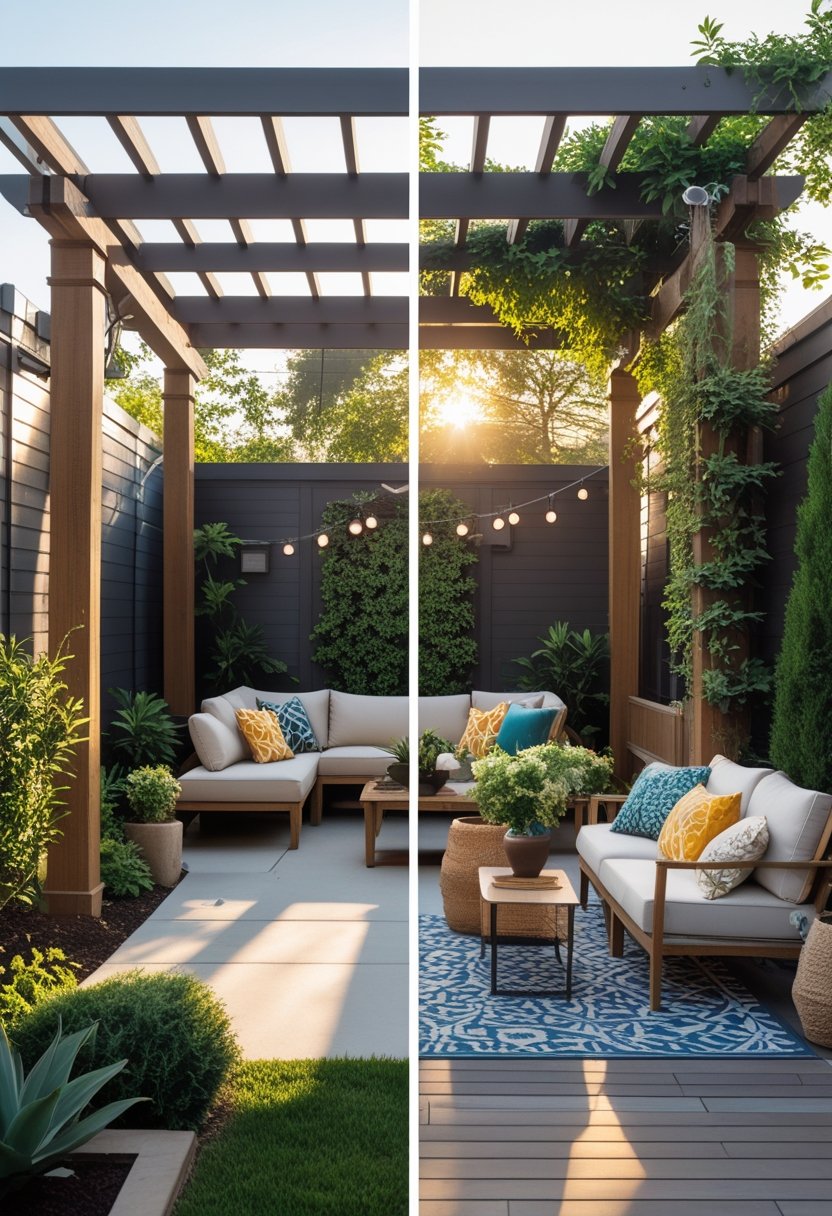
Creating an inviting outdoor living room requires both functionality and aesthetic appeal. The choice of materials and how they blend with the surrounding landscape significantly impacts comfort and style.
Flagstone Patio Designs
Flagstone patios offer a natural, durable surface ideal for outdoor living spaces. Their irregular shapes fit together like a puzzle, creating unique patterns that add visual interest.
Flagstone is slip-resistant and stands up well to weather changes, making it practical for year-round use. Various colors and textures allow customization to match architectural styles or natural surroundings.
Installation involves setting stones in sand or mortar, providing stability while allowing for water drainage. Edges can be softened with ground covers or low shrubs to enhance the organic feel.
This type of patio pairs well with sturdy outdoor furniture and fire pits, helping define seating or dining areas clearly and comfortably.
Hardscape and Softscape Integration
Hardscape elements like patios, pergolas, and retaining walls must work in harmony with plants, lawns, and garden beds to create a balanced outdoor living space.
Well-integrated design uses hard surfaces to anchor soft elements, providing structure without overwhelming greenery. For example, placing a flagstone patio adjacent to lush borders helps frame the space and guide movement.
Incorporating varying heights and textures—such as tall trees with smooth stone surfaces or flowering shrubs near concrete paths—adds depth and interest.
Proper grading and drainage should be considered to protect both hardscape and softscape components, ensuring longevity and ease of maintenance.
Combining these elements effectively enhances usability and promotes a seamless transition between indoor and outdoor living areas.
Creating Inviting Features: Fire, Water, and Greenery
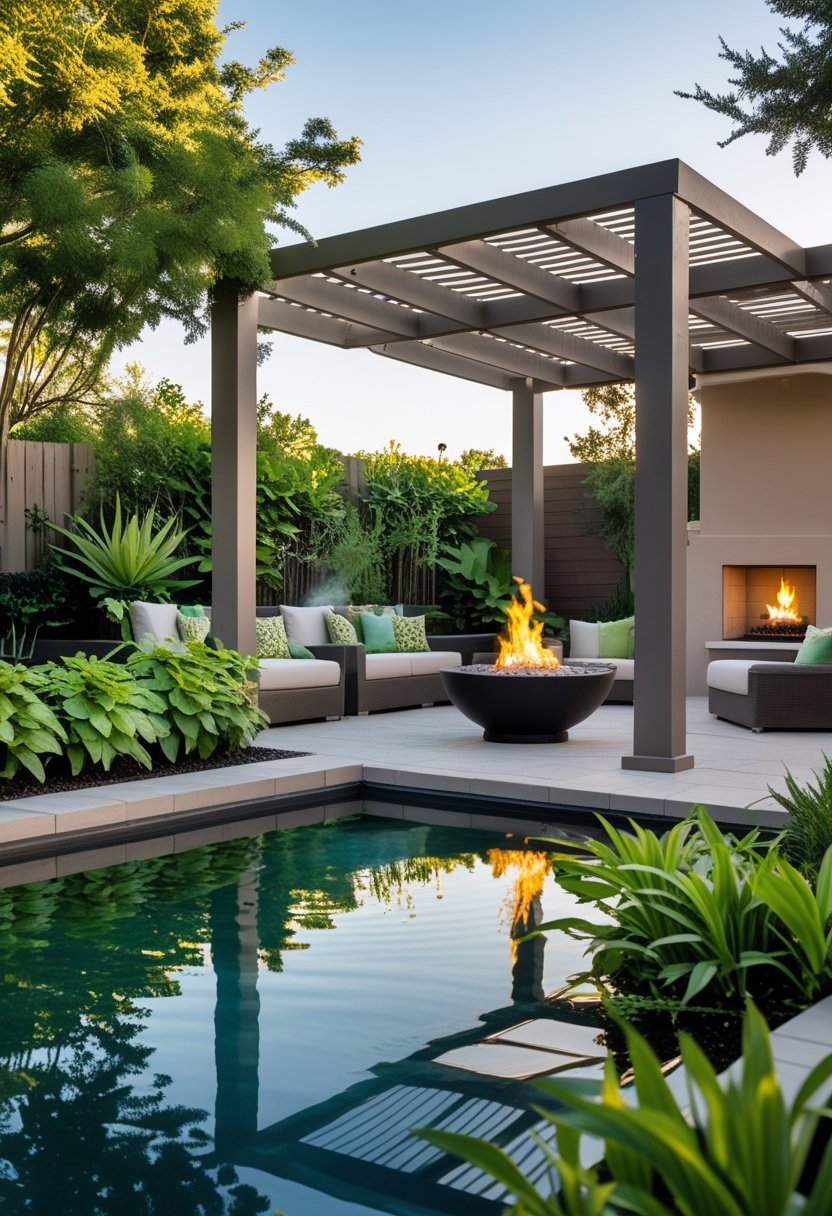
Outdoor spaces gain warmth, movement, and life through a careful balance of fire elements, water features, and thoughtful plantings. These elements not only enhance the visual appeal but also create functional and comfortable environments for year-round enjoyment.
Incorporating Fire Features and Fire Pits
Fire features serve as focal points that draw people together while providing warmth and ambiance. Fire pits are versatile options, available in gas, wood-burning, or propane variations, each offering distinct advantages in maintenance and atmosphere.
Placement is critical—position fire pits centrally or near seating to encourage conversation and usability. Materials like stone, brick, or metal can complement the overall hardscape design.
Design considerations should include safety clearances, wind direction, and ease of fueling or ignition. Adding built-in seating or surrounding natural stone enhances both comfort and style.
Designing Water Features
Water features introduce soothing sounds and visual movement, contributing a calming element to outdoor spaces. Options range from small fountains and bubbling urns to larger ponds and waterfalls.
When designing, focus on scale relative to the yard’s size and the surrounding landscape. Proper placement ensures the water feature is visible from primary seating or dining areas.
Maintenance needs, such as cleaning and pump operation, are key factors. Integrating lighting around water features can create dramatic effects for evening use, while combining water with fire elements can offer dynamic contrasts.
Selecting Plantings for Visual Impact
Plant selections shape the character and mood of a garden design. Choosing a mix of evergreen and seasonal plants provides year-round interest and texture.
Consider layering plant heights and types—tall shrubs or small trees create structure, while lower groundcovers and flowering plants add color and softness. Using native or drought-resistant plants often reduces maintenance.
Strategically placed greenery can frame fire and water features, enhance privacy, and guide pathways. Grouping plants by color or foliage also strengthens visual cohesion throughout the outdoor space.
Outdoor Kitchens and Dining Retreats
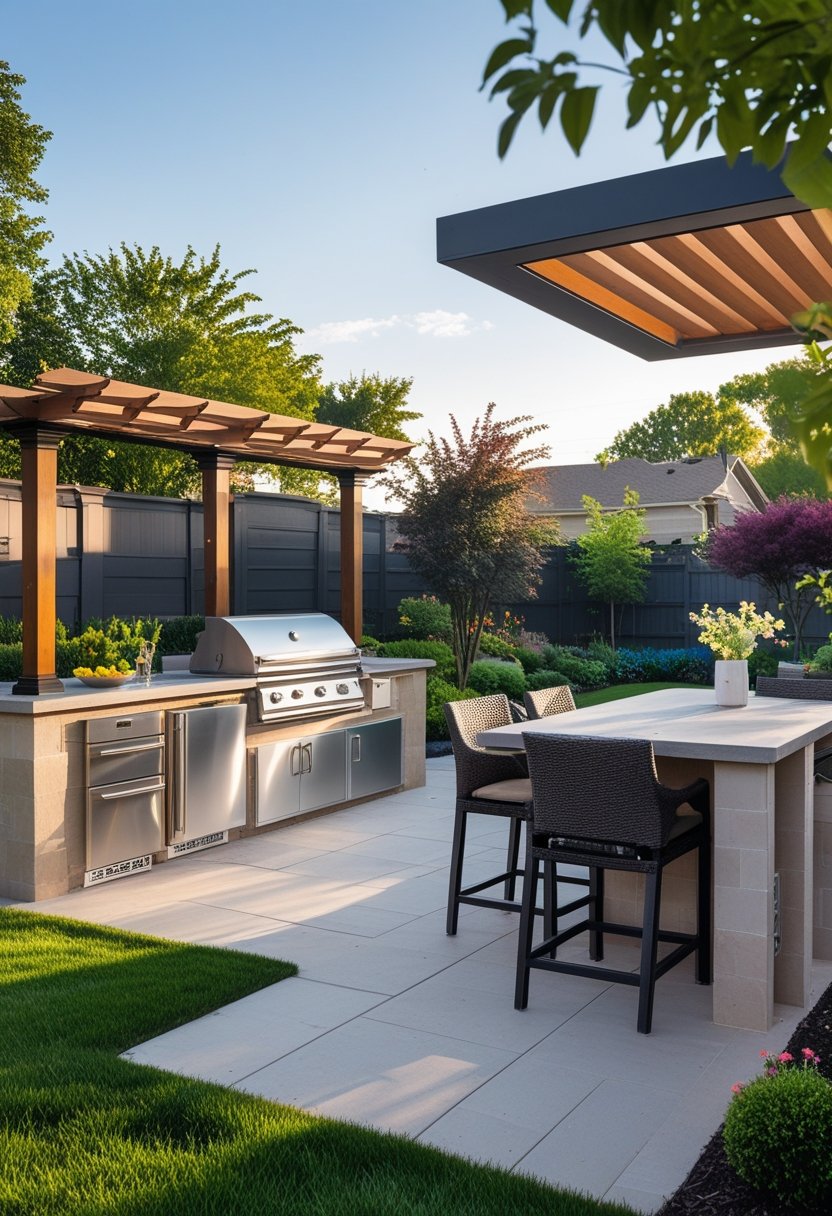
Creating an outdoor kitchen and dining retreat involves careful planning of space and flow. Attention to layout maximizes usability while blending the new area with the existing home design to enhance outdoor living spaces.
Functional Outdoor Kitchen Layouts
A well-designed outdoor kitchen prioritizes workflow and accessibility. Essential components include a cooking zone with grill or stove, a prep area, and a cleaning station with a sink. Counter space should be ample and positioned logically between these zones.
Storage is critical to keep utensils and supplies within reach but protected from the elements. Durable materials such as stainless steel and weather-resistant cabinetry are common choices. Seating near the kitchen promotes interaction and convenience during cooking.
Integrating pathways with the yard ensures smooth movement between the outdoor kitchen and surrounding spaces. Mixed gravel or stone paths often connect cooking and dining areas for easy access without disrupting the yard’s design.
Seamless Indoor-Outdoor Transitions
Blending the outdoor kitchen with indoor spaces improves functionality and comfort. Large sliding doors or bi-fold panels create a visual and physical connection. This encourages flow during gatherings and simple access to indoor amenities.
Matching materials, such as flooring and countertops, across indoor and outdoor kitchens supports cohesive design. Lighting should also be coordinated to maintain ambiance and visibility after dark.
Covered structures like pergolas or pavilions provide shelter, extending the usability of the outdoor room regardless of weather. These add a sense of enclosure while maintaining open air benefits, making dining retreats comfortable and stylish year-round.

Ana Luisa
Explore in-depth biographies, net worth insights, and exclusive updates on your favorite singers at Trionua.com. Discover the journeys, achievements, and latest news about music’s biggest stars.